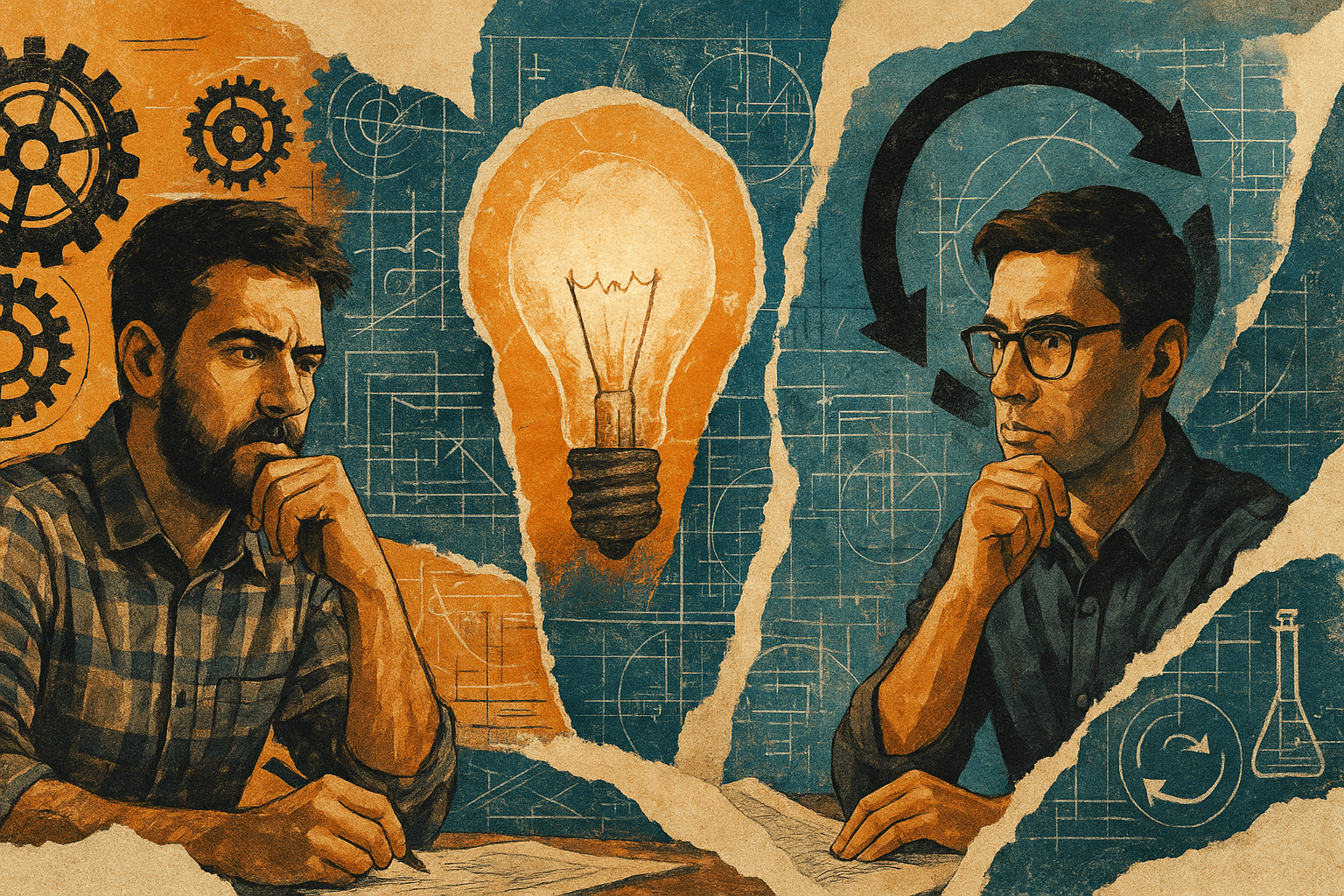
Startup engineers often find themselves at a crossroads, needing to choose between pushing the boundaries with innovation or opting for iterative improvements. This decision is crucial because it affects product development timelines, resource allocation, and long-term growth. Based on my experience in IT project management and technical operations, I'll explore how these choices impact startups and when it makes sense to take bold steps versus refining what already works.

Understanding the Tradeoffs
When working with startups, the decision to innovate or iterate isn't just about technology—it's about strategy. Startups operate in a fast-paced environment where the wrong decision can lead to wasted resources or missed opportunities. The key is balancing these two approaches to maximize value.
Innovation involves developing completely new features or products. It can create a competitive edge but often requires more time and resources. Iteration, on the other hand, focuses on improving existing systems, which can be more predictable and less risky. However, relying solely on iteration can lead to stagnation, missing out on disruptive opportunities.
In the Balancing Act: How Startup Engineers Navigate Trade-offs Like Pros, I discussed how startup engineers must weigh these tradeoffs to align with their company's goals.
Impact on Product Development Timelines
Product development timelines are often compressed in startups, where speed to market can be a competitive advantage. Innovating can extend these timelines because new ideas need validation and testing. For instance, developing a new software feature from scratch might require months of research and development.
Conversely, iterating on existing products can be quicker. Enhancements and bug fixes based on user feedback can be deployed in weeks, allowing startups to respond rapidly to market needs. This approach is explored further in Why Speed Isn't Everything in SaaS Product Development, where the importance of balancing speed with quality is highlighted.
Resource Allocation Considerations
Deciding between innovation and iteration also affects resource allocation. Innovation demands significant investment in research and development, which can strain a startup's limited resources. It often requires hiring specialized talent or investing in new technology.
Iteration can be more resource-efficient, leveraging existing infrastructure and teams. However, it's important to ensure that iteration doesn’t become over-engineering, which I covered in The Unseen Costs: How Over-Engineering Can Derail Your Startup. Over-engineering can lead to unnecessary complexity and increased costs.
Long-term Growth and Market Position
The choice between innovation and iteration also impacts long-term growth. Innovation can position a startup as a market leader by introducing groundbreaking products or services. For example, companies like Apple and Tesla have thrived by consistently introducing innovative products that redefine their respective markets.
Iteration supports sustained growth by continuously improving the user experience and product reliability. This approach can build strong customer loyalty, which is essential for growth. However, without occasional innovation, startups risk being outpaced by more daring competitors.
When to Innovate
Innovation should be considered when:
- The market demands disruption: If the existing solutions are inadequate, there’s a clear opportunity to innovate.
- The startup has the necessary resources: Financial resources and talent are crucial to support innovation.
- There's a strategic advantage: Innovation should align with the overall business strategy and long-term goals.
When to Iterate
Iteration is often the best choice when:
- Resources are limited: Startups with constrained budgets should focus on refining existing products.
- Customer feedback is clear: When users provide actionable feedback, iteration can quickly enhance the product.
- Competitors are innovating rapidly: Iterating can help keep pace without the risks of full-scale innovation.
Balancing Both Approaches
Successful startups often find a balance between innovation and iteration. This involves:
- Identifying core competencies: Focus innovation on areas where the startup can excel.
- Regularly evaluating the market: Stay informed about industry trends and customer needs.
- Building a flexible product roadmap: Allow room for both iterative improvements and innovative projects.
This balance is crucial for aligning modernization efforts with business goals, as discussed in The Invisible Bridge: How IT Leaders Connect Modernization with Business Goals.
Sources
- Forbes on Innovation vs. Iteration
- Harvard Business Review on Balancing Innovation and Efficiency
- TechCrunch on Startup Resource Allocation
- McKinsey on Sustaining Growth Through Innovation
- Gartner on Product Development Strategies
Ultimately, the decision to innovate or iterate should be guided by a startup's unique context and strategic goals. By understanding the tradeoffs and aligning them with business objectives, startups can position themselves for success in a competitive landscape.