Navigating the Intersection of Culture and Technology
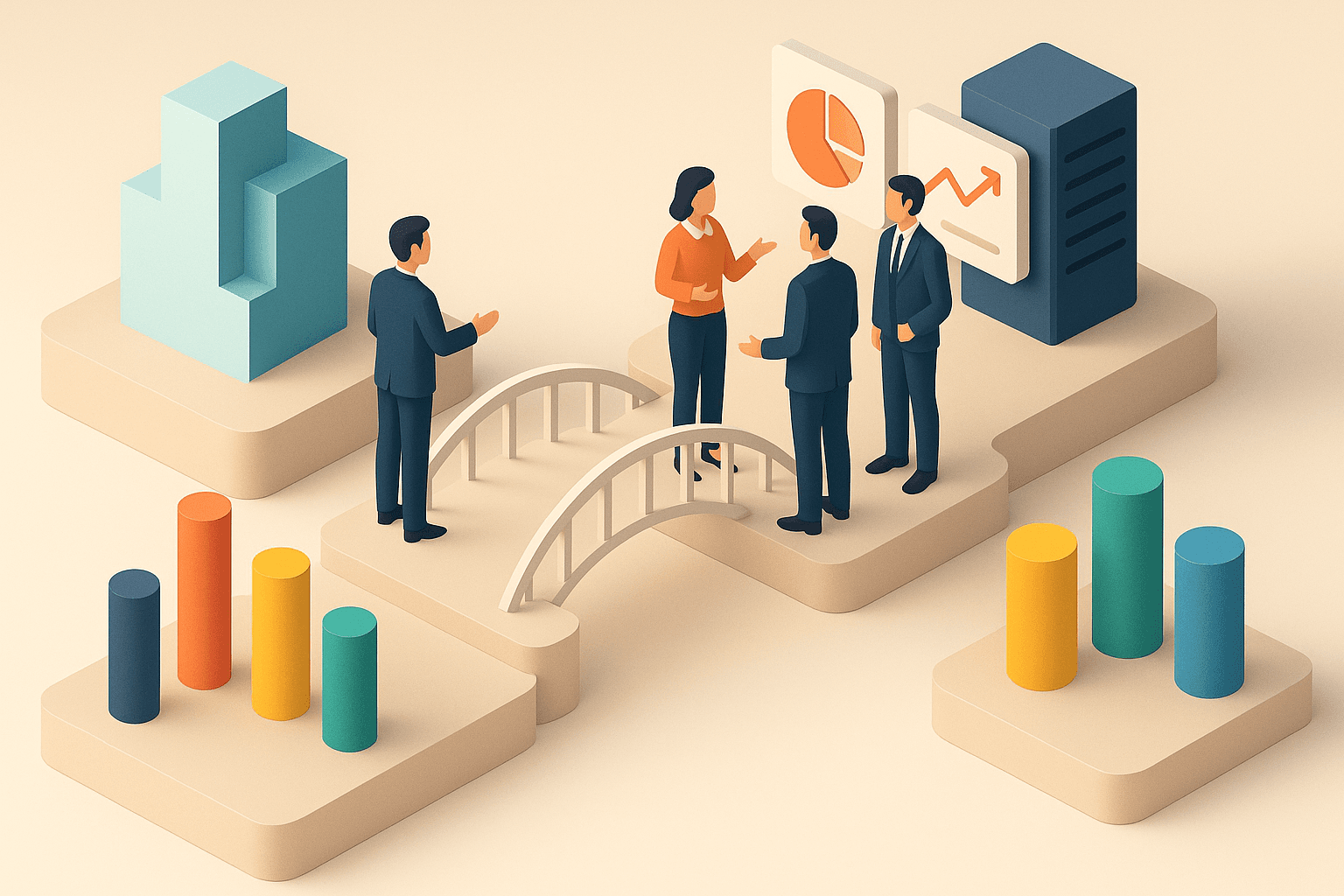
Modern IT leaders face the challenge of balancing the implementation of new technologies with nurturing a strong organizational culture. This balancing act is crucial for successful modernization. From my experience leading technical operations at BuyItaly Mortgages LLC and founding Kaai Tech LLC, I've seen firsthand how focusing solely on technology without considering cultural impacts can derail even the most promising projects.
The Role of Leadership in IT Modernization
Leadership is the cornerstone of any successful IT modernization effort. A leader's ability to connect modernization efforts with business goals is paramount. As highlighted in Why Modernizing Your IT Infrastructure Starts with Leadership, Not Just Technology, modernization initiatives often fail when leadership lacks a cohesive vision that aligns technology with the company's broader objectives.
In my projects, I have found that involving team members early in the decision-making process fosters a culture of inclusion and innovation. This approach not only aligns with business goals but also ensures that the team is motivated and engaged throughout the transformation.
Balancing Culture and Technology
When implementing new technologies, IT leaders must carefully weigh cultural impacts. A strong organizational culture can enhance the adoption of new tools and processes, while a misalignment can lead to resistance and failure.
Building a Culture of Innovation
Creating a culture that embraces change is essential. Encouraging experimentation and viewing failures as learning opportunities can cultivate this environment. This aligns with the concept of a 'fail fast' philosophy discussed in Why Your IT Modernization Strategy Needs a 'Fail Fast' Philosophy, where quick iterations and learning from mistakes drive innovation.
Fostering open communication and collaboration across departments also supports a culture of innovation. This ensures that technology adoption is not seen as a top-down mandate but as a collaborative effort where teams feel empowered to contribute and innovate.
Technological Considerations in Modernization
While culture is crucial, the choice of technology can make or break modernization efforts. Leaders must be strategic in selecting tools that align with both current needs and future goals.
Assessing Legacy Systems
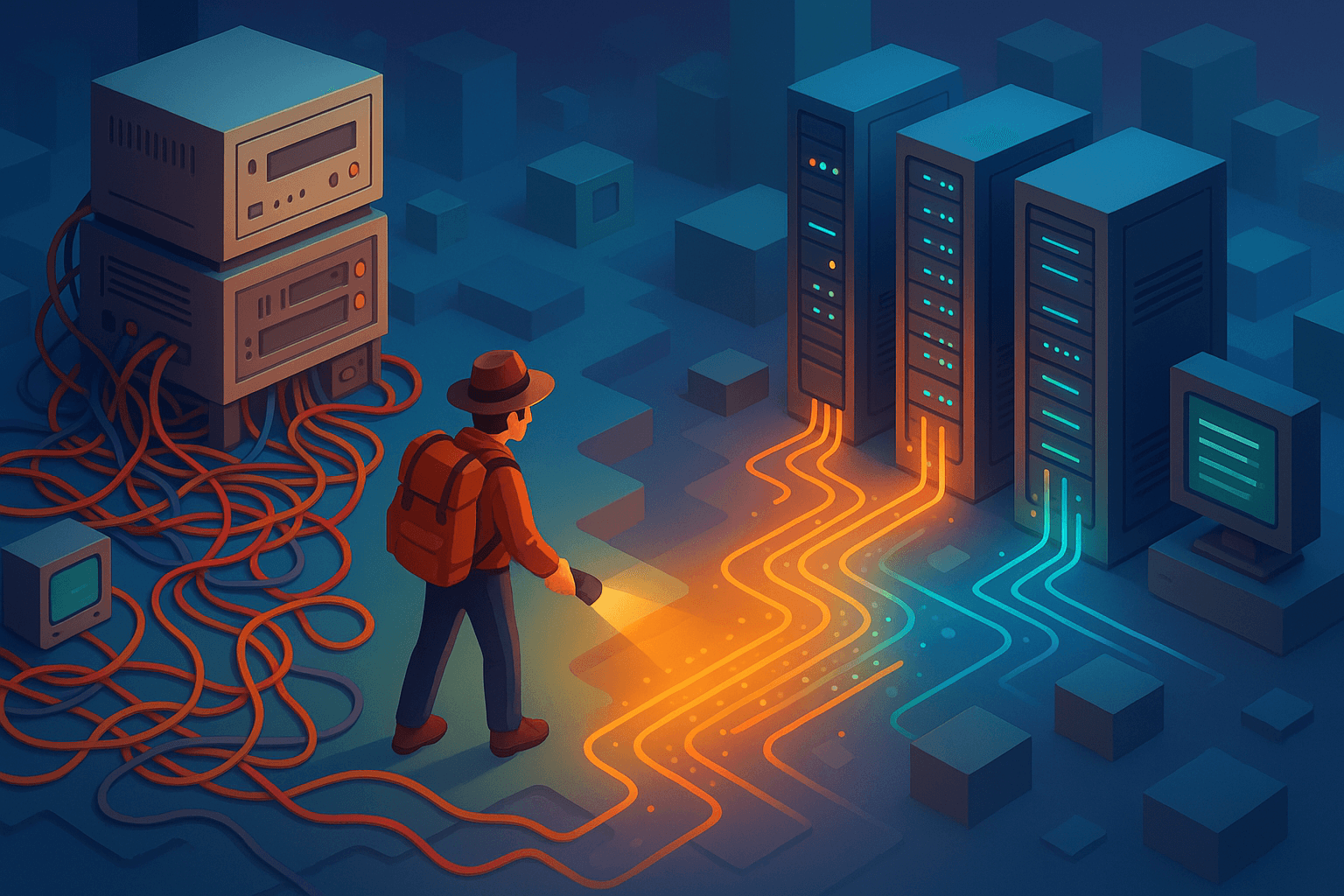
Understanding and evaluating existing legacy systems is a critical step. Often, these systems are deeply embedded in the organization's processes. I covered how to approach this in The IT Archaeologist: Unearthing Legacy Systems for Modernization, where assessing these systems helps identify opportunities for improvement and integration with new technologies.
Choosing the Right Tools
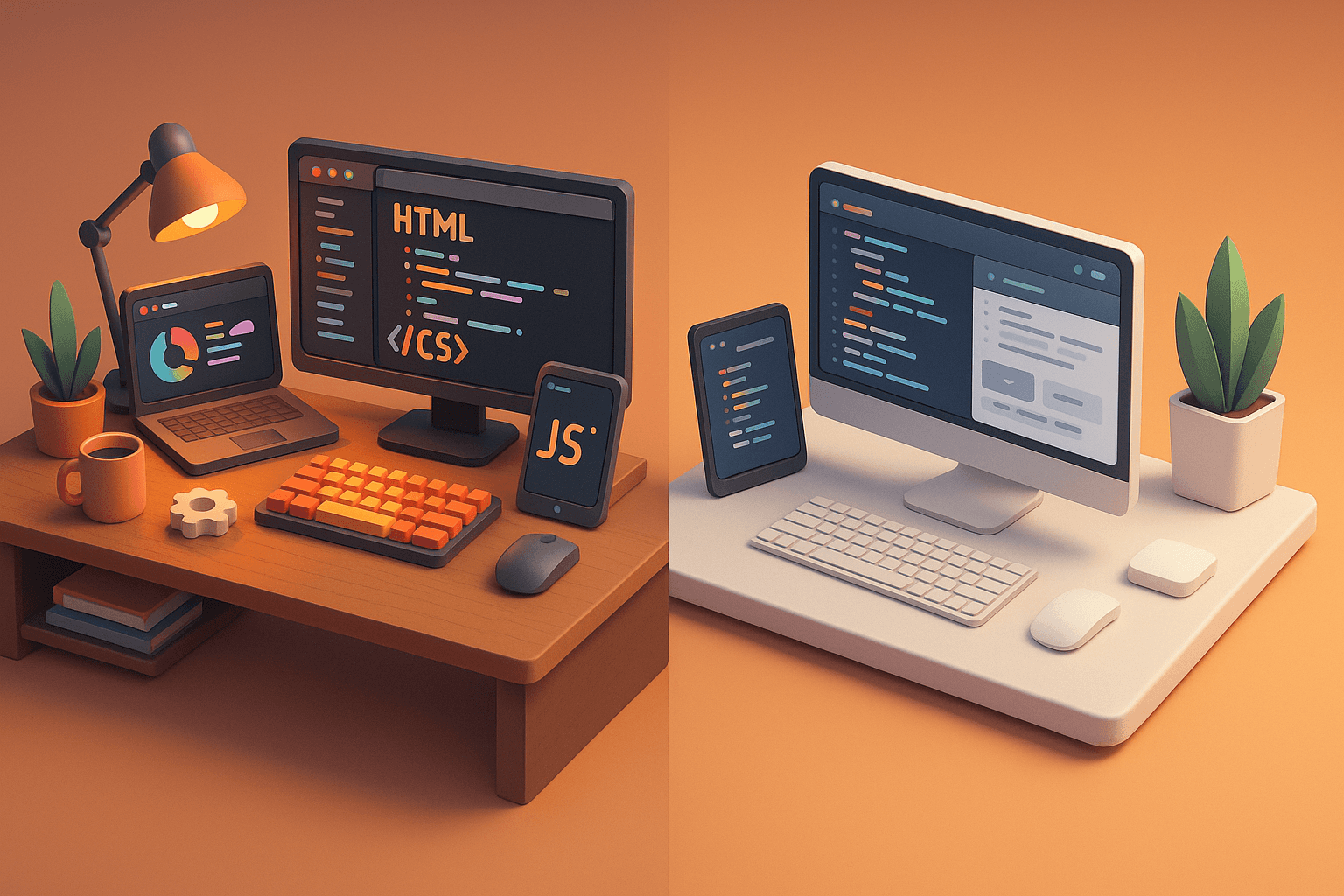
Selecting the right technology involves considering scalability, ease of integration, and user adoption. Tools that offer flexibility and customization can often better meet the diverse needs of different teams. However, over-customization can lead to complexity and hinder progress, as discussed in The Developer Tool Dilemma: Customization vs. Standardization.
Overcoming Challenges in Modernization
Modernization is not without its challenges. Resistance to change, budget constraints, and technical debt are common hurdles that IT leaders must navigate.
Addressing Resistance to Change
Resistance often stems from fear of the unknown. Leaders can mitigate this by providing clear communication about the changes and how they will benefit the organization. Training and support are also crucial to help employees transition smoothly.
Managing Technical Debt
Technical debt can accumulate quickly if not managed properly. It's essential to prioritize tasks that offer the most significant impact and ensure that new technologies do not add unnecessary complexity. This approach is similar to what I explored in Why Technical Debt is Your Startup's Secret Weapon, where strategic debt can be leveraged to drive innovation without overwhelming resources.
Final Thoughts on Balancing Culture and Technology
Successfully balancing culture and technology requires IT leaders to be both strategic and empathetic. By aligning technological advancements with a supportive and innovative culture, organizations can achieve successful modernization that drives long-term growth.