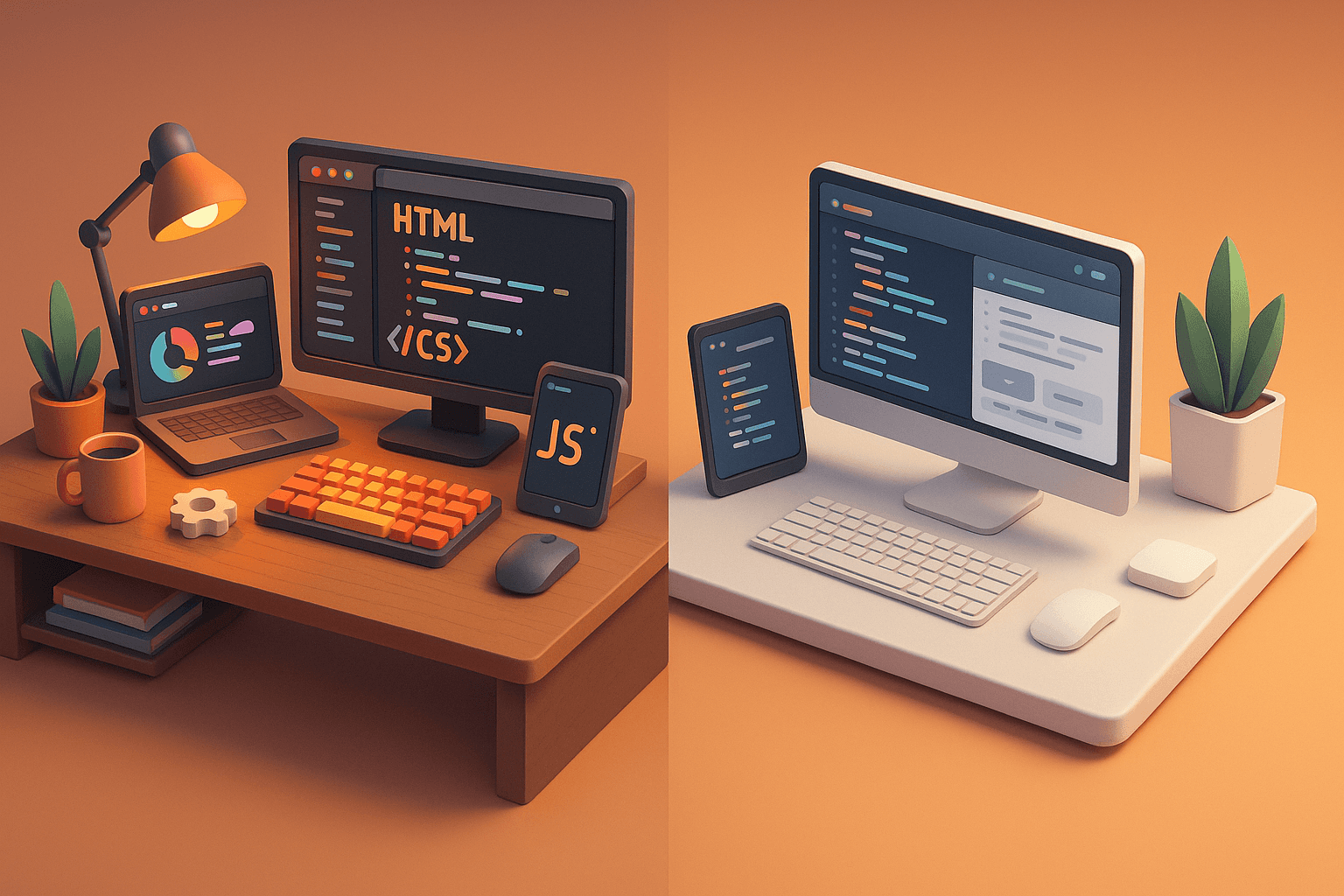
In the fast-paced world of software development, choosing the right tools can be a critical decision that influences the efficiency and success of your projects. While customizing tools to fit specific project needs can offer unique advantages, adopting standardized toolsets can streamline processes and reduce complexity. Both approaches have their merits and drawbacks, and finding the right balance is key.
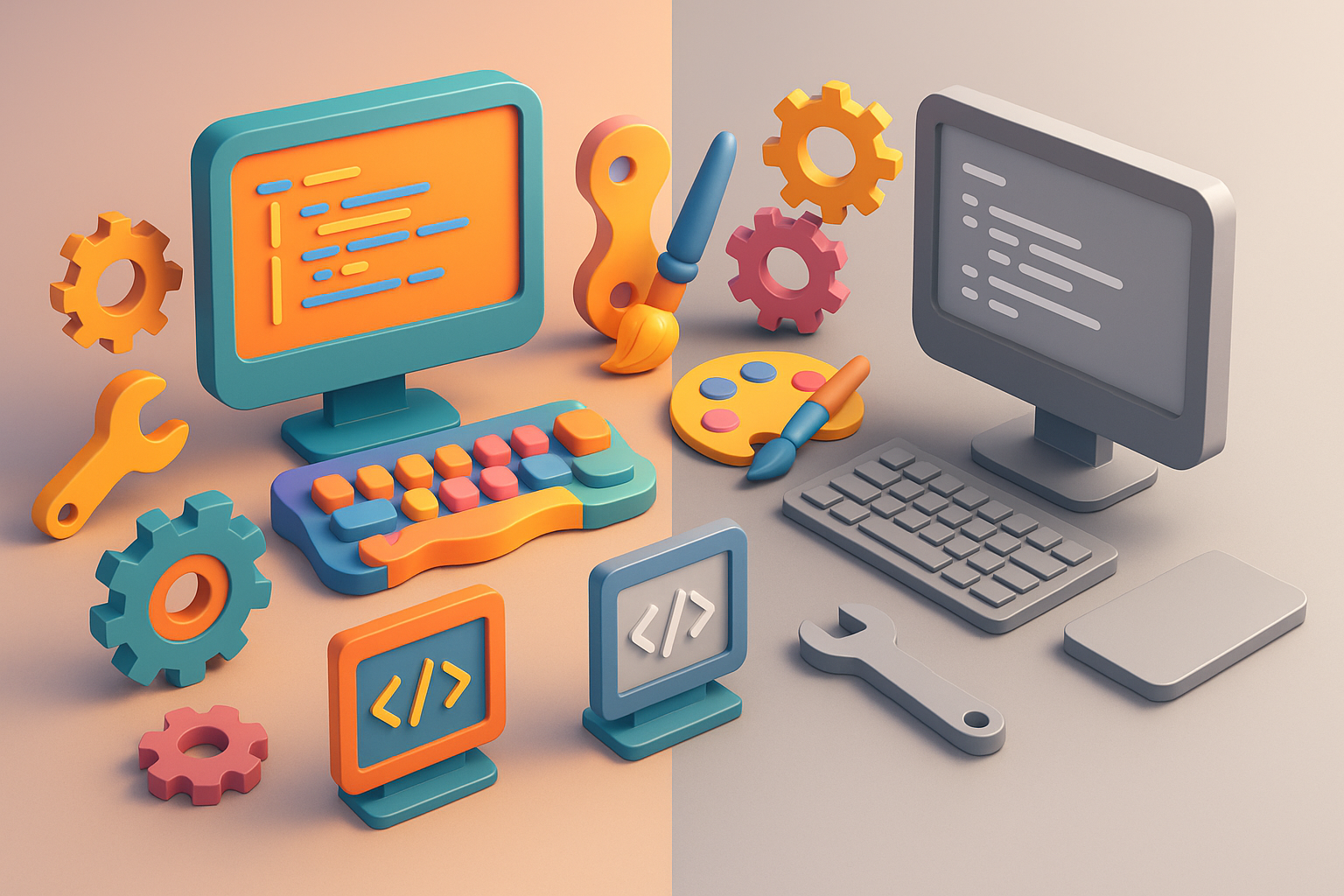
The Case for Customization
Customization allows development teams to tailor tools specifically to their project requirements. This can lead to increased productivity and a better fit for the unique challenges of a project. For example, when I served as the Technical Operations Manager at BuyItaly Mortgages LLC, we often customized our internal tools to better handle specific regulatory requirements and integrate seamlessly with our existing systems.
Advantages of Customization
Tailored Features: Custom tools can include specific features that are not available in off-the-shelf solutions, making them more suitable for unique workflows.
Integration Flexibility: Customized tools can be designed to integrate smoothly with existing systems, reducing friction and data silos.
Competitive Edge: Having tools that are uniquely suited to your operations can provide a competitive advantage, allowing teams to work more efficiently.
Challenges of Customization
Resource Intensive: Customizing tools requires time and resources, potentially diverting focus from core development activities.
Maintenance Burden: Custom tools require ongoing maintenance and updates, which can become a significant overhead.
Scalability Issues: As projects grow, maintaining and scaling custom tools can become increasingly complex.
The Argument for Standardization
Standardized toolsets, on the other hand, provide a consistent and often more reliable foundation for development. These tools are widely used and tested, offering a stable environment that can help minimize risks.
Benefits of Standardization
Reduced Complexity: By using widely adopted tools, teams can reduce the complexity of their toolchains and avoid the pitfalls of over-engineering, a topic I explored in The Unseen Costs: How Over-Engineering Can Derail Your Startup.
Ease of Onboarding: New team members are likely to be familiar with standardized tools, which can simplify the onboarding process.
Community Support: Standard tools often have large communities, offering a wealth of resources and support, which can be invaluable for troubleshooting and best practices.
Drawbacks of Standardization
Limited Flexibility: Standard tools may not cover all specific needs, requiring teams to adapt their workflows.
Vendor Lock-in: Relying heavily on a single vendor's toolset can lead to lock-in, limiting future flexibility to switch tools as needs evolve.
Lack of Differentiation: Using the same tools as everyone else might mean missing opportunities to differentiate your development process.
Balancing Customization and Standardization
Finding the right balance between customization and standardization requires a strategic approach. Here are some considerations to help guide the decision-making process:
Evaluate Project Needs
Assess the specific needs of your project and determine which areas would benefit most from customization. In Declutter Your Developer Toolset: A Marie Kondo Approach, I discussed how simplifying your tools can lead to more effective development. This approach can also help in identifying where customization truly adds value.
Consider Scalability
When planning customization, consider how tools will scale as your project grows. Custom solutions that work well for a small team might not be sustainable at a larger scale. For instance, in SaaS development, scaling decisions often impact long-term success, as I covered in From Free to Fee: The Hard Lessons of Scaling a SaaS Startup.
Weigh Cost vs. Benefit
Customization can be costly, so it’s crucial to weigh the expected benefits against the investment required. This involves not just initial development costs but also ongoing maintenance and updates.
Leverage Hybrid Approaches
Consider hybrid approaches that combine the best of both worlds. For example, using a standard tool as a base and customizing specific components can offer flexibility without excessive complexity.
Closing Thoughts
Ultimately, the decision between customization and standardization is not one-size-fits-all. It requires careful consideration of your team's capabilities, project requirements, and long-term goals. By understanding the trade-offs and leveraging both strategies where appropriate, you can enhance your development process and drive greater success.