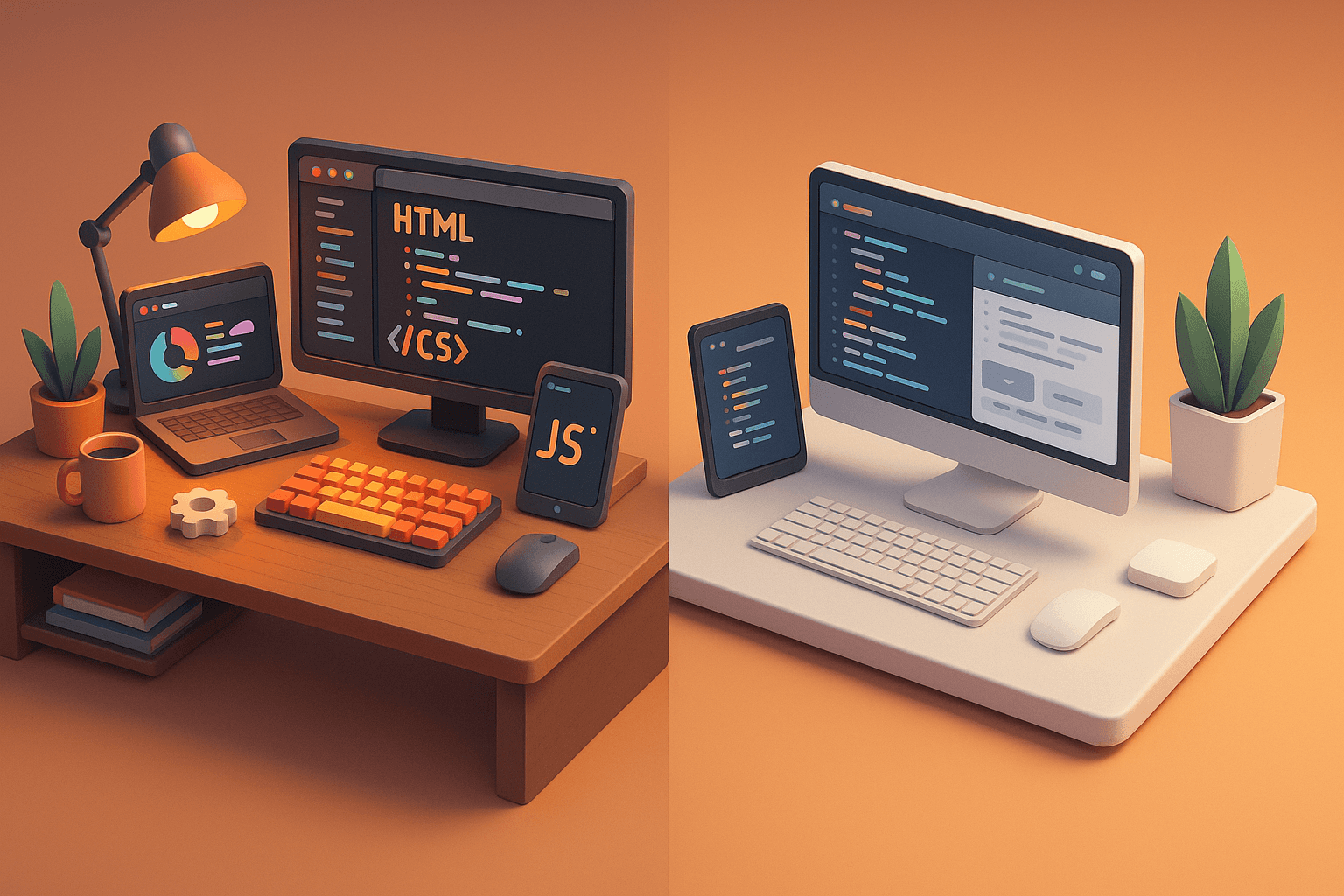
Startups often face immense pressure to deliver innovative solutions quickly. Yet, in the pursuit of perfection, many fall into the trap of over-engineering, creating complex systems that drain resources and delay market entry. Understanding the hidden costs of over-engineering is crucial for startups aiming to balance innovation with practicality.

The Perils of Over-Engineering in Startups
Over-engineering occurs when a product or system is more complicated than necessary, often due to an excessive focus on perfection. This tendency can lead to several costly issues:
- Wasted Resources: Time and money are spent on features that customers may not need or want.
- Delayed Timelines: Complex systems take longer to build, test, and deploy.
- Missed Opportunities: While perfecting a product, competitors may capture market share with simpler solutions.
In my experience with BuyItaly Mortgages LLC, we initially aimed to create a highly sophisticated mortgage processing system. However, we realized that our customers valued speed and ease more than advanced features. Streamlining our approach allowed us to launch faster and adapt to real customer feedback.
Real-World Examples of Over-Engineering
Consider the cautionary tale of a startup that developed a complex AI-driven analytics platform. The team spent months perfecting algorithms, only to find that their target market preferred a simpler, more intuitive interface. By the time they pivoted, competitors had already met the demand with less complex solutions.
Another example from my time in the U.S. Army's IT division involved a network security tool. Initially, we aimed for a comprehensive solution covering every possible threat. However, the complexity led to integration challenges and user dissatisfaction. Simplifying the tool to address the most common threats improved usability and effectiveness.
Strategies to Avoid Over-Engineering
Successful startups prioritize functionality and customer feedback over technical perfection. Here are practical strategies to avoid over-engineering:
Focus on Core Features: Identify the essential features that solve your customers' most pressing problems. I explored this in Why SaaS Startups Should Embrace 'Build Less, Validate More'.
Iterative Development: Launch a minimum viable product (MVP) to gather real-world feedback, then refine based on user input. This approach aligns with the 'fail fast' philosophy discussed in Why Your IT Modernization Strategy Needs a 'Fail Fast' Philosophy.
Customer-Centric Design: Engage with users early and often to ensure the product meets their needs without unnecessary complexity.
Agile Methodologies: Use agile frameworks to remain flexible and responsive to changing market demands. This approach helps teams prioritize tasks and avoid feature bloat.
Balancing Innovation and Practicality
Innovation is vital for startups, but it must be balanced with practicality. Here are key considerations for achieving this balance:
- Understand Your Market: Conduct thorough market research to determine what customers truly value.
- Set Clear Priorities: Define what success looks like for your product and focus on achieving those goals.
- Adopt a Lean Mindset: Continuously assess whether each feature or enhancement adds value.
These principles echo the philosophy of simplifying SaaS development, as discussed in When Less is More: Simplifying SaaS Development for Success.
Closing Thoughts
Over-engineering can be a silent detractor of startup success, consuming resources and delaying progress. By focusing on core features, embracing customer feedback, and adopting agile and lean methodologies, startups can avoid the pitfalls of over-engineering and enhance their chances of success in a competitive market.