Modernizing legacy systems in IT is not just a technical challenge; it's an expedition into the past to uncover the potential for future growth. This process often requires playing the role of an "IT Archaeologist," someone who navigates outdated systems to find opportunities for efficiency and innovation. The blend of leadership and technical skills needed for this role is unique and crucial for any organization aiming to transition smoothly into modern infrastructures.

Understanding Legacy Systems
Legacy systems are the backbone of many organizations, often critical to their operations but outdated and inefficient by today's standards. These systems can be costly to maintain and challenging to upgrade, yet they hold a wealth of data and functionality that businesses rely on daily.
For example, a legacy system might be a mainframe running COBOL applications, which still powers major parts of banking transactions. While these systems are reliable, they lack the flexibility and integration capabilities of modern solutions. As I saw during my time at BuyItaly Mortgages LLC, maintaining such systems often requires specialized knowledge and presents significant risks and costs.
The Role of an IT Archaeologist
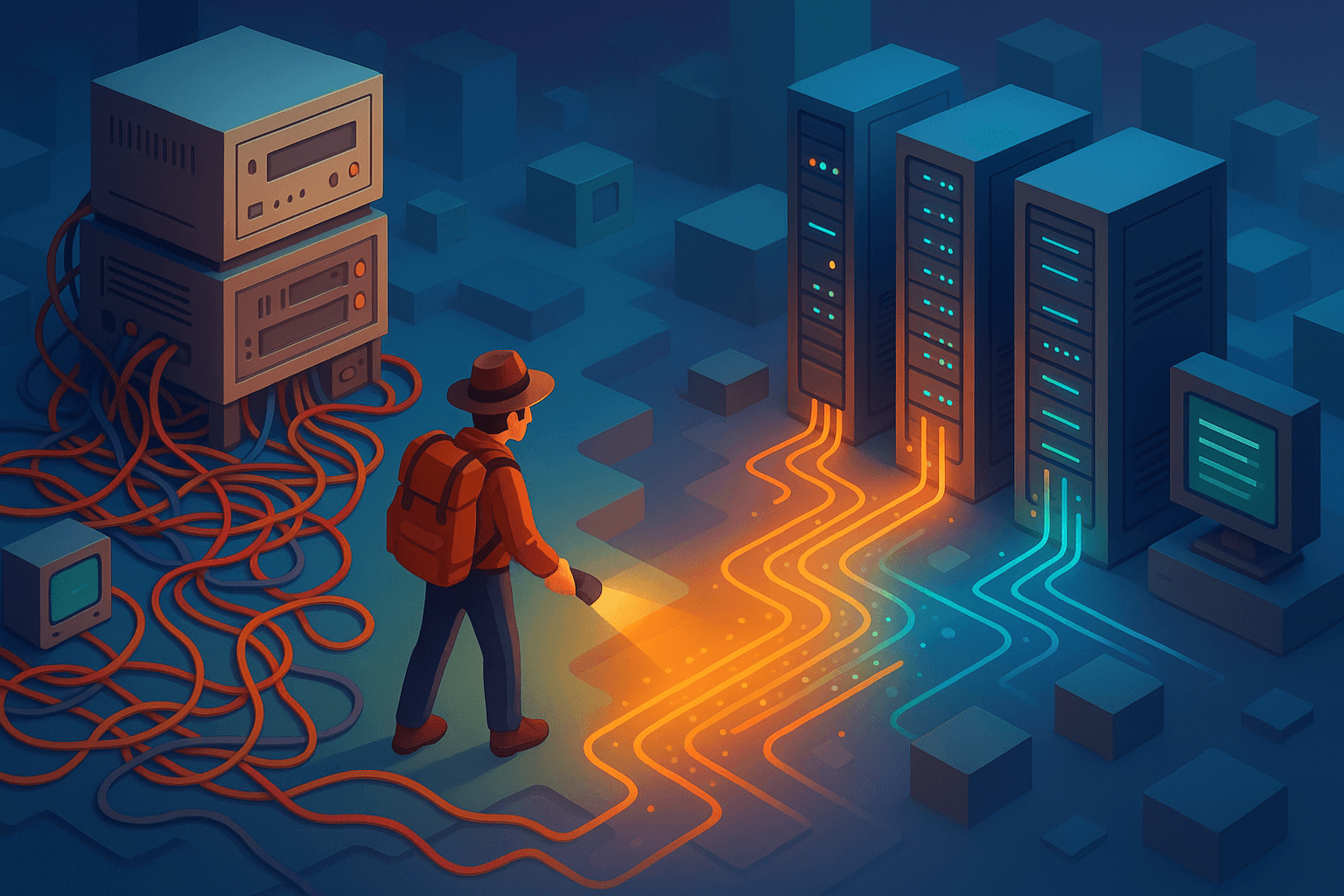
An IT Archaeologist's mission is to carefully examine these legacy systems, identify valuable components, and determine how best to integrate them into modern architectures. This requires a strategic approach, balancing the need to preserve essential functions with the drive to innovate.
Skills Required
- Technical Expertise: Deep understanding of both old and new technologies.
- Analytical Skills: Ability to assess the current system's strengths and weaknesses.
- Project Management: Coordinating modernization efforts effectively.
- Communication: Translating technical challenges into business terms for stakeholders.
Navigating Technical Debt
Legacy systems are often burdened with technical debt, a concept I explored in Why Technical Debt is Your Startup's Secret Weapon. This debt accumulates when quick fixes or outdated technology choices hinder future development. The IT Archaeologist must identify and prioritize areas to address, balancing immediate needs with long-term goals.
Strategic Modernization Approaches
Incremental Upgrades
One effective strategy is incremental upgrading, which involves gradually replacing or upgrading parts of the system rather than a complete overhaul. This approach reduces risk and allows for testing and validation of new components before full-scale deployment.
Embracing a 'Fail Fast' Philosophy
Adopting a 'fail fast' philosophy can be beneficial in modernization projects, as discussed in Why Your IT Modernization Strategy Needs a 'Fail Fast' Philosophy. By quickly identifying and addressing failures, organizations can avoid prolonged issues and adapt their strategies effectively.
Leveraging Modern Tools
Modern developer tools can greatly assist in the transition process. As noted in How the Right Developer Tools Can Turn Your Team into Superheroes, choosing the right tools can enhance productivity and streamline the modernization process. Tools that support automation, integration, and testing are particularly valuable.
Challenges and Considerations
Balancing Costs and Benefits
Modernizing legacy systems is often expensive and time-consuming, so organizations must weigh the costs against the potential benefits. This requires careful financial analysis and a clear understanding of the expected return on investment.
Managing Change
Change management is a crucial aspect of IT modernization. Stakeholders must be informed and involved throughout the process to ensure smooth transitions and minimize resistance. Effective communication and training can facilitate this.
Security Concerns
Legacy systems can be vulnerable to security threats due to outdated technology and lack of updates. Modernization efforts must address these vulnerabilities by implementing robust security measures and ensuring compliance with current standards.
Leading the Charge
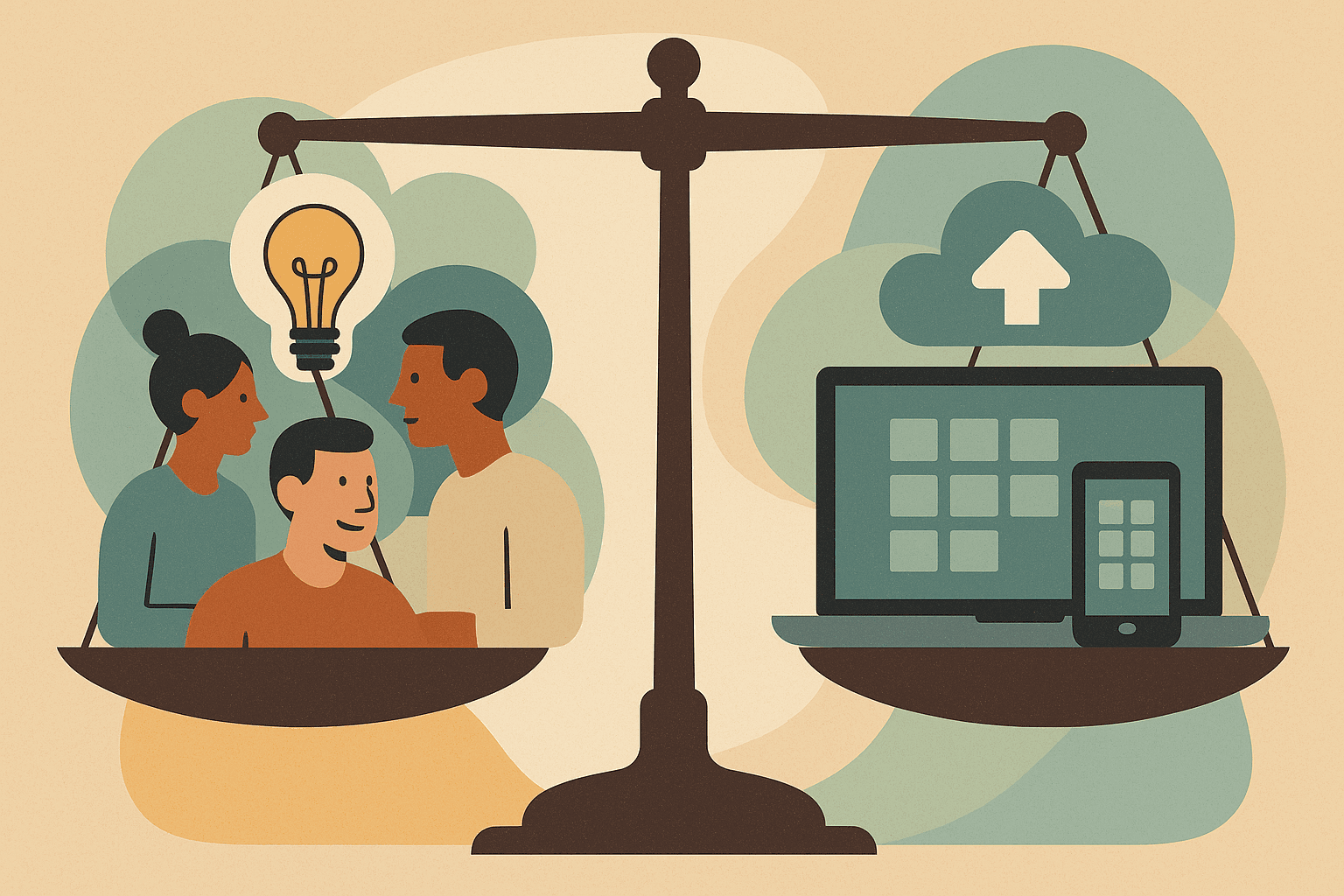
Leadership plays a pivotal role in successful IT modernization. Effective leaders must not only understand the technical aspects but also inspire and guide their teams through the transition. As noted in Why Modernizing Your IT Infrastructure Starts with Leadership, Not Just Technology, strong leadership can be the difference between success and failure.
Bringing Legacy to Life
Modernizing legacy systems is akin to bringing history to life, transforming outdated technology into a foundation for future innovation. An IT Archaeologist's work is critical in this process, ensuring that while technology evolves, the valuable insights and capabilities of legacy systems are not lost but enhanced.