Modernizing IT infrastructure is a crucial priority for organizations aiming to remain competitive in a rapidly changing technological landscape. While many focus on the latest technologies, the real driver of successful modernization is leadership. IT leaders must navigate complex challenges like legacy systems and skill gaps while aligning their teams with emerging technologies.

The Leadership Imperative in IT Modernization
IT modernization is not just a technological endeavor; it’s a leadership challenge. Effective modernization requires leaders who can envision the future state of their organization’s IT landscape and chart a clear path to get there. This involves making strategic decisions about technology investments and managing organizational change.
A report from CIO.com highlights that many CIOs view modernization as essential for transformation work, with legacy systems often hindering AI adoption and innovation. Leaders must address these barriers and guide their teams through the complex modernization process.
Overcoming Legacy Systems
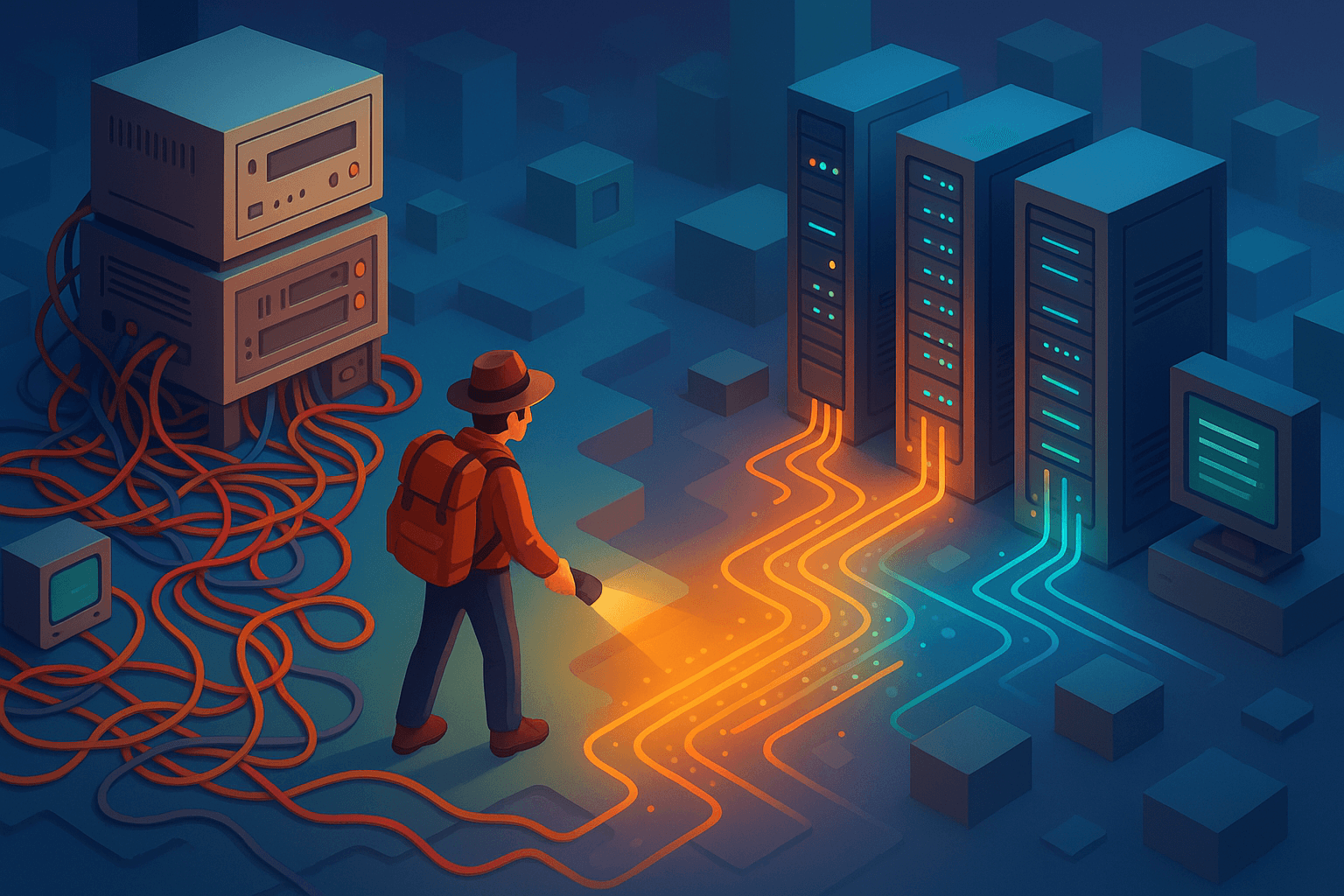
Legacy systems are a common hurdle in modernization efforts. These outdated systems can impede the adoption of new technologies and slow down the entire process. IT leaders must decide whether to retire, replace, or integrate these systems with new solutions. This decision requires a deep understanding of both the current infrastructure and the organization’s future needs.
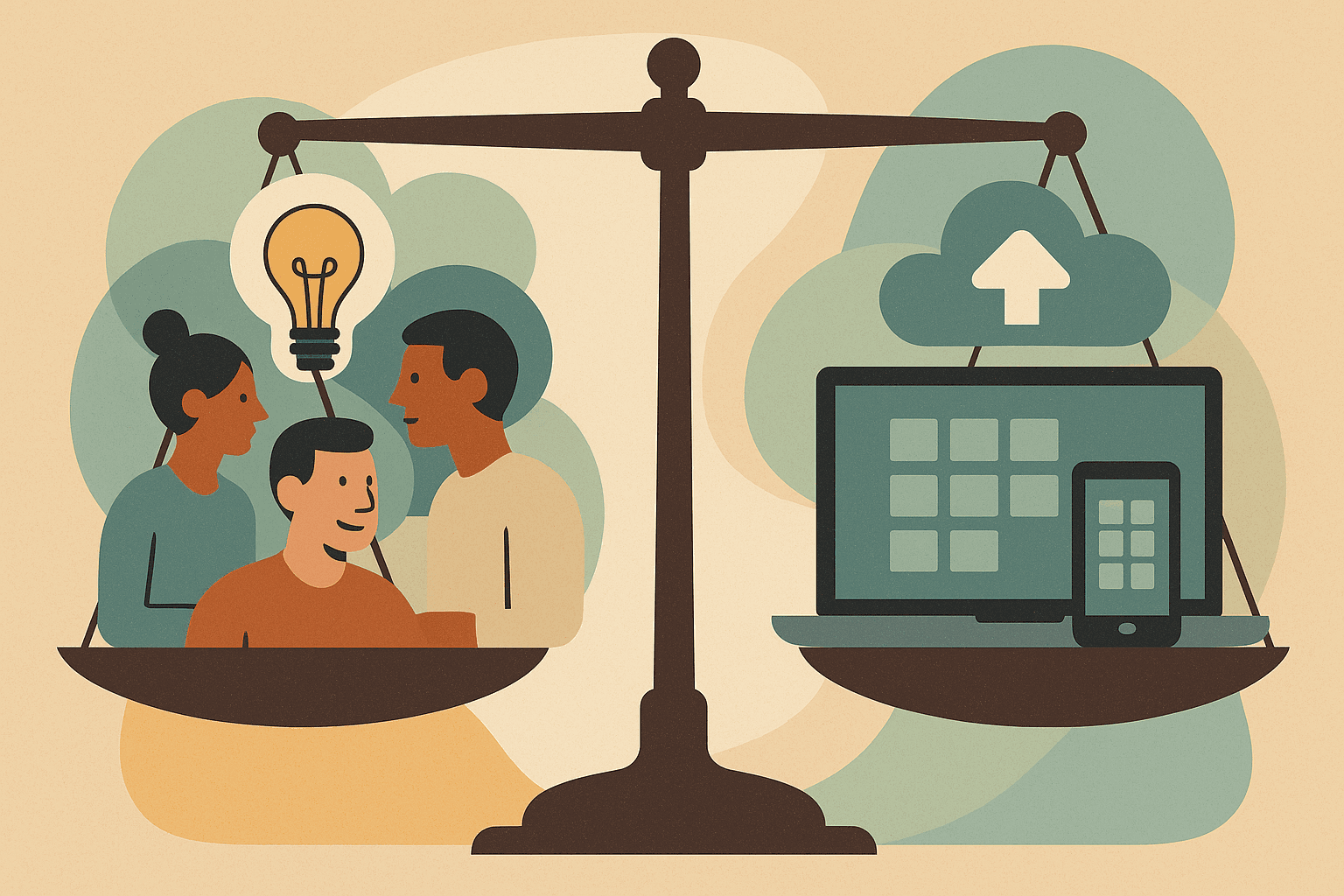
A successful approach involves evaluating the risks and benefits of each option, considering factors such as cost, potential downtime, and the impact on business operations. Leaders who embrace trade-offs can make more informed decisions that align with their organization’s strategic goals.
Bridging the Skill Gaps
Another challenge that IT leaders face is bridging skill gaps within their teams. As technology evolves, so must the skills of those who manage and implement it. Leaders need to invest in continuous learning and development programs to ensure their teams are equipped with the necessary skills to handle modern technologies.
According to Robert Half’s research, hiring professionals with the right capabilities and closing existing skill gaps are critical obstacles. Leaders must create a culture of learning and provide opportunities for upskilling and reskilling their workforce.
Aligning with Emerging Technologies
To stay ahead, IT leaders must also focus on integrating emerging technologies into their modernization strategies. Technologies like AI, cloud computing, and cybersecurity are not just enablers but essential components of a modern IT infrastructure.
For instance, leveraging AI can accelerate modernization efforts by automating routine tasks and providing insights that drive faster decision-making. This is discussed further in why IT leaders must embrace AI to drive modernization. Leaders must stay informed about technological advancements and assess their relevance to their organization’s strategic objectives.
Building a Future-Ready Organization
Modernizing IT infrastructure is about building a future-ready organization. This means creating an environment where technology supports business goals and enhances operational efficiency. Leaders play a crucial role in this transformation by fostering a culture of innovation and agility.
The Gov CIO Outlook emphasizes the importance of coordinated efforts across the organization. Leaders must ensure that all stakeholders are aligned with the modernization vision and actively contribute to its success.
The Role of Communication and Change Management
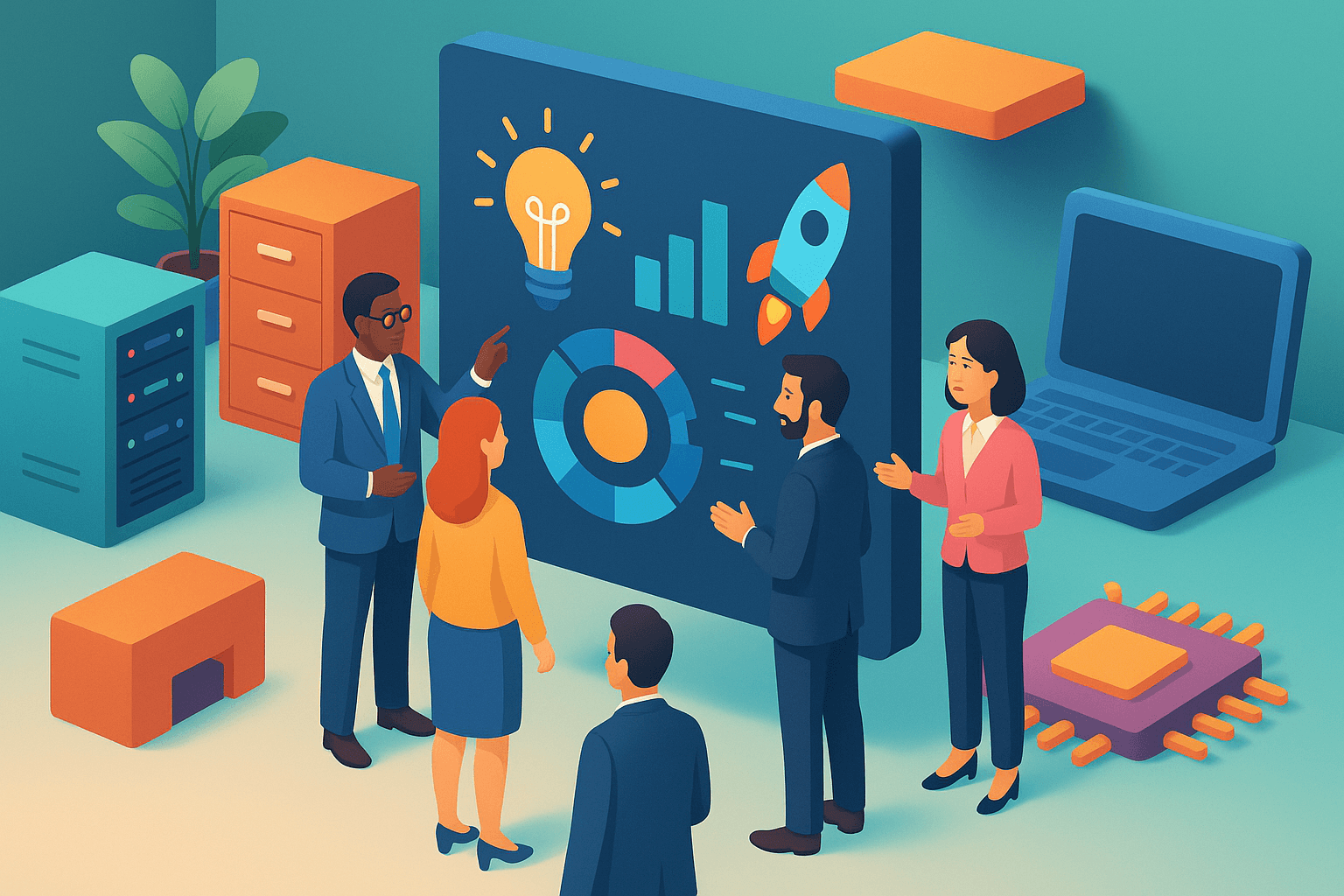
Effective communication and change management are vital components of successful IT modernization. Leaders must clearly articulate the vision and benefits of modernization to all stakeholders and address any concerns that arise during the transition.
This involves creating transparent communication channels and involving key stakeholders in the decision-making process. By doing so, leaders can build trust and buy-in, which are crucial for overcoming resistance to change.
Measuring Success and Continuous Improvement
Finally, IT leaders must establish metrics to measure the success of their modernization efforts. This involves setting clear objectives and tracking progress against those goals. Leaders should be prepared to adapt their strategies based on feedback and results.
Continuous improvement is essential in a rapidly evolving technological landscape. Leaders must remain flexible and open to new ideas, ensuring their organization can adapt to future challenges and opportunities.