Modernizing IT systems isn't just about implementing the latest technology. It's about aligning these upgrades with the strategic objectives of the business. As an IT leader, I've seen firsthand how modernization can either propel a company forward or become a costly detour. The key is to ensure that each technological advancement supports the broader business goals.

Understanding the Business Landscape
Before diving into modernization, it's crucial to understand the business's strategic objectives. This involves:
- Identifying Core Goals: Know what the business aims to achieve in the next 3-5 years.
- Analyzing Business Processes: Understand how current processes align with these goals.
- Engaging Stakeholders: Regularly communicate with executives, managers, and end-users to ensure alignment.
In my time as a Technical Operations Manager at BuyItaly Mortgages LLC, we faced a crossroads where legacy systems needed updates. We had to ensure that any IT changes supported our goal of enhancing customer experience while streamlining operations. This required deep engagement with all stakeholders to ensure alignment.
The Role of IT Leaders
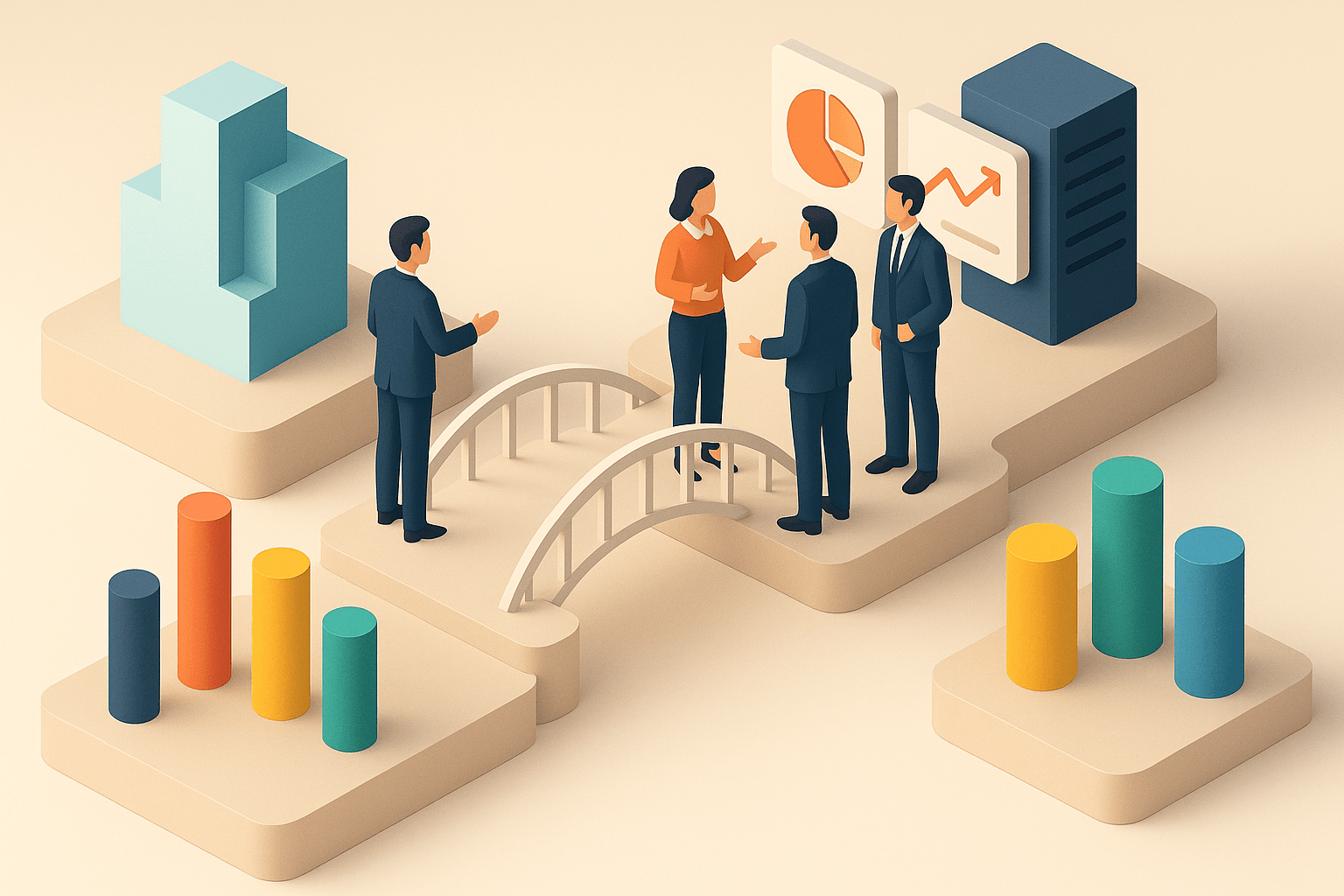
IT leaders play a pivotal role in bridging the gap between technology and business strategy. They must:
- Facilitate Communication: Act as a liaison between technical teams and business leaders.
- Prioritize Projects: Focus on initiatives that deliver the most business value.
- Manage Change: Help the organization adapt to new technologies and processes.
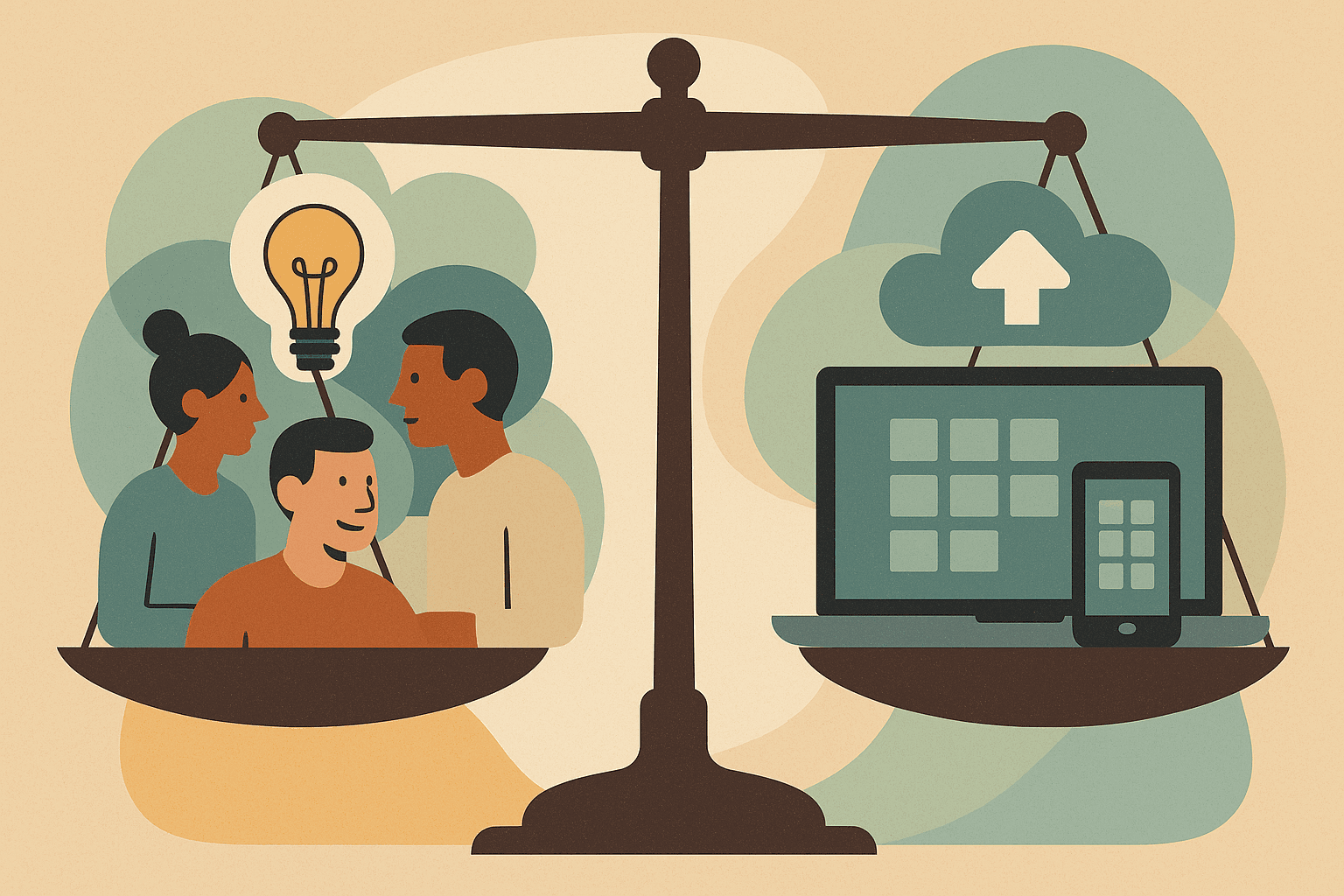
I explored this leadership dynamic further in Why Modernizing Your IT Infrastructure Starts with Leadership, Not Just Technology, emphasizing the need for strong leadership in IT modernization.
Aligning Modernization with Business Objectives
To ensure IT modernization aligns with business objectives, consider the following strategies:
Evaluate and Prioritize Initiatives
Not all modernization efforts are equal. Prioritization is key:
- Assess Impact: Evaluate how each project contributes to business goals.
- Consider Costs and Benefits: Weigh the financial and operational costs against the potential benefits.
- Risk Management: Identify potential risks and develop mitigation strategies.
For instance, during a project to upgrade our mortgage processing systems at BuyItaly Mortgages, we focused on initiatives that offered immediate improvements in processing times, directly impacting our customer satisfaction scores.
Adopt a 'Fail Fast' Philosophy
Incorporating a 'fail fast' approach can lead to quicker iterations and innovation. This involves:
- Testing Early and Often: Implementing small-scale tests to gather data and insights.
- Learning from Failures: Using setbacks as learning opportunities to refine processes.
This approach is detailed in Why Your IT Modernization Strategy Needs a 'Fail Fast' Philosophy, where I discuss how embracing failure can accelerate learning and adaptation.
Integrate Feedback Loops
Continuous improvement relies on feedback:
- Customer Feedback: Regularly collect and analyze customer feedback to guide improvements.
- Internal Feedback: Encourage team members to share insights and suggestions.
By creating a culture that values feedback, organizations can ensure their modernization efforts remain relevant and effective.
Overcoming Common Challenges
Modernization is not without challenges. Here are a few I've encountered:
Legacy Systems
Legacy systems often pose significant hurdles. They require:
- Comprehensive Audits: Assessing the current state and future potential of legacy systems.
- Strategic Phasing: Gradually integrating new technologies to minimize disruption.
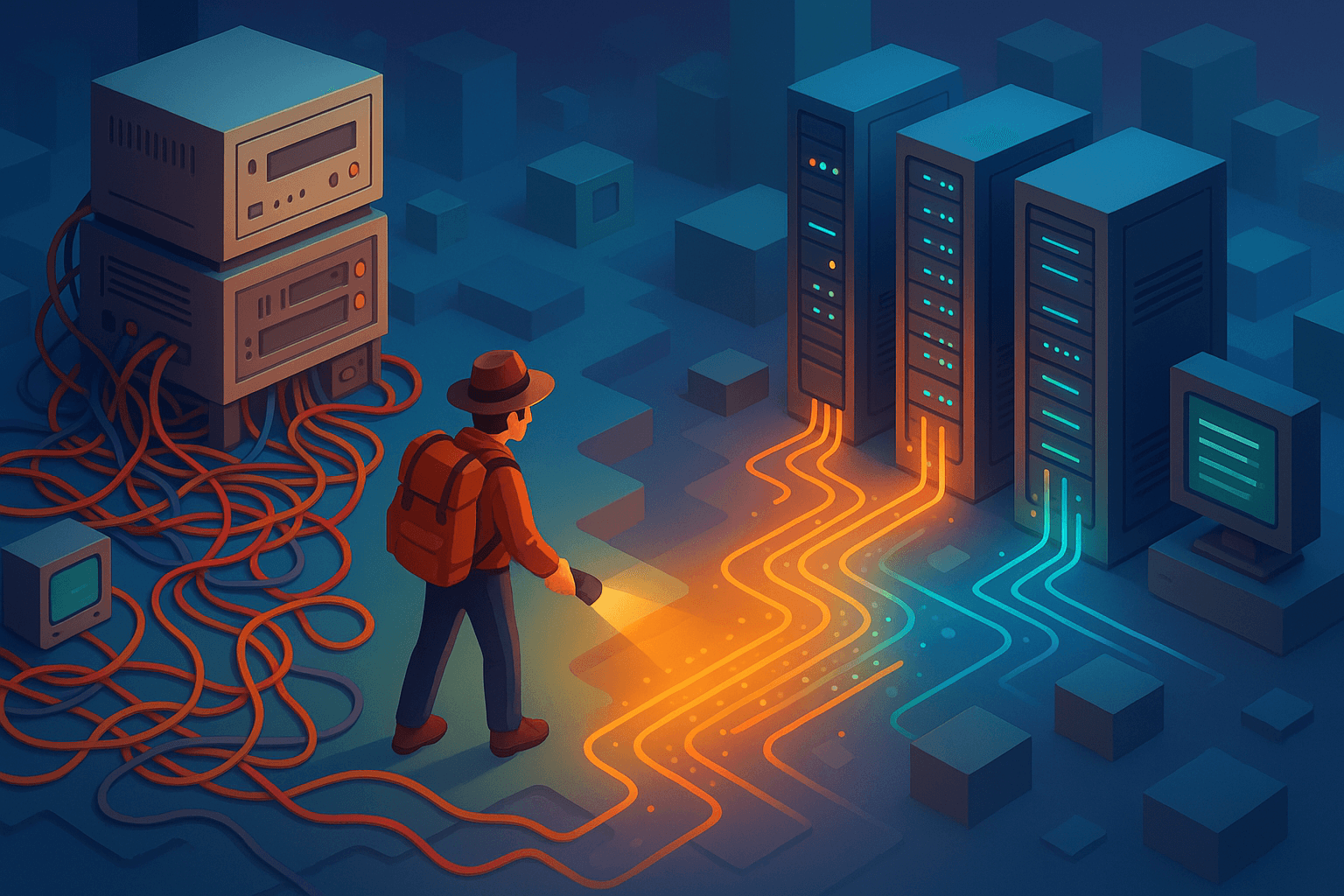
I've discussed strategies to deal with legacy systems in The IT Archaeologist: Unearthing Legacy Systems for Modernization, highlighting the importance of careful planning and execution.
Balancing Customization and Standardization
Choosing between customized solutions and standardized platforms can be challenging:
- Customization: Tailors solutions to specific business needs but may increase complexity.
- Standardization: Offers simplicity and scalability but might not meet all unique requirements.
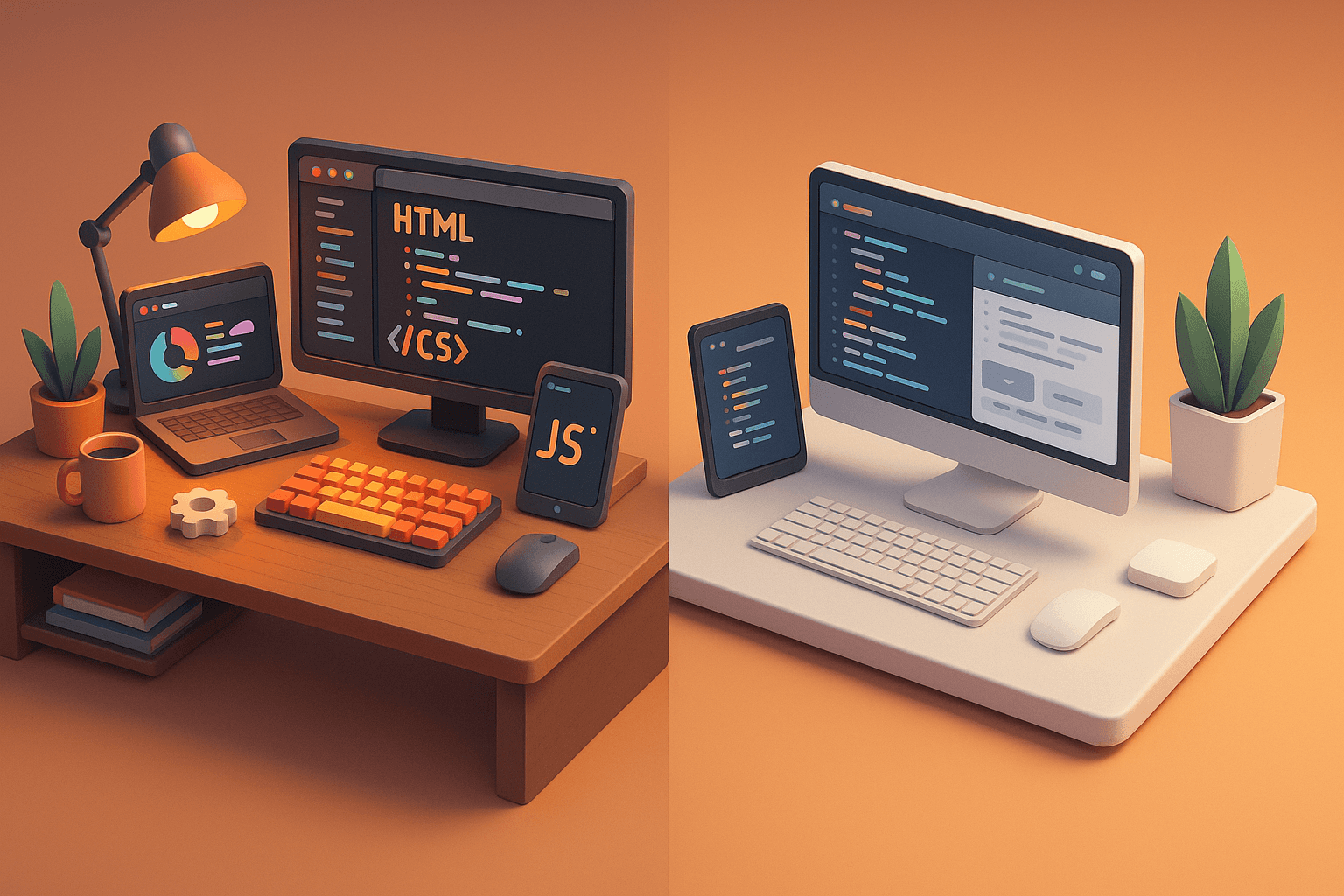
I delved into this in The Developer Tool Dilemma: Customization vs. Standardization, where I explored the trade-offs between these two approaches.
The Long-Term Vision
Successful IT modernization requires a long-term vision that considers:
- Scalability: Ensuring systems can grow with the business.
- Sustainability: Minimizing environmental and operational impacts.
- Future-Proofing: Staying adaptable to future technological advancements.
These elements ensure that modernization efforts not only meet current needs but also prepare the business for the future.
Final Thoughts
Aligning IT modernization with business goals is a complex but essential task for IT leaders. By understanding the business landscape, prioritizing initiatives, and addressing common challenges, leaders can ensure their efforts drive strategic success. The bridge between technology and business isn't just invisible—it needs to be actively built and maintained.