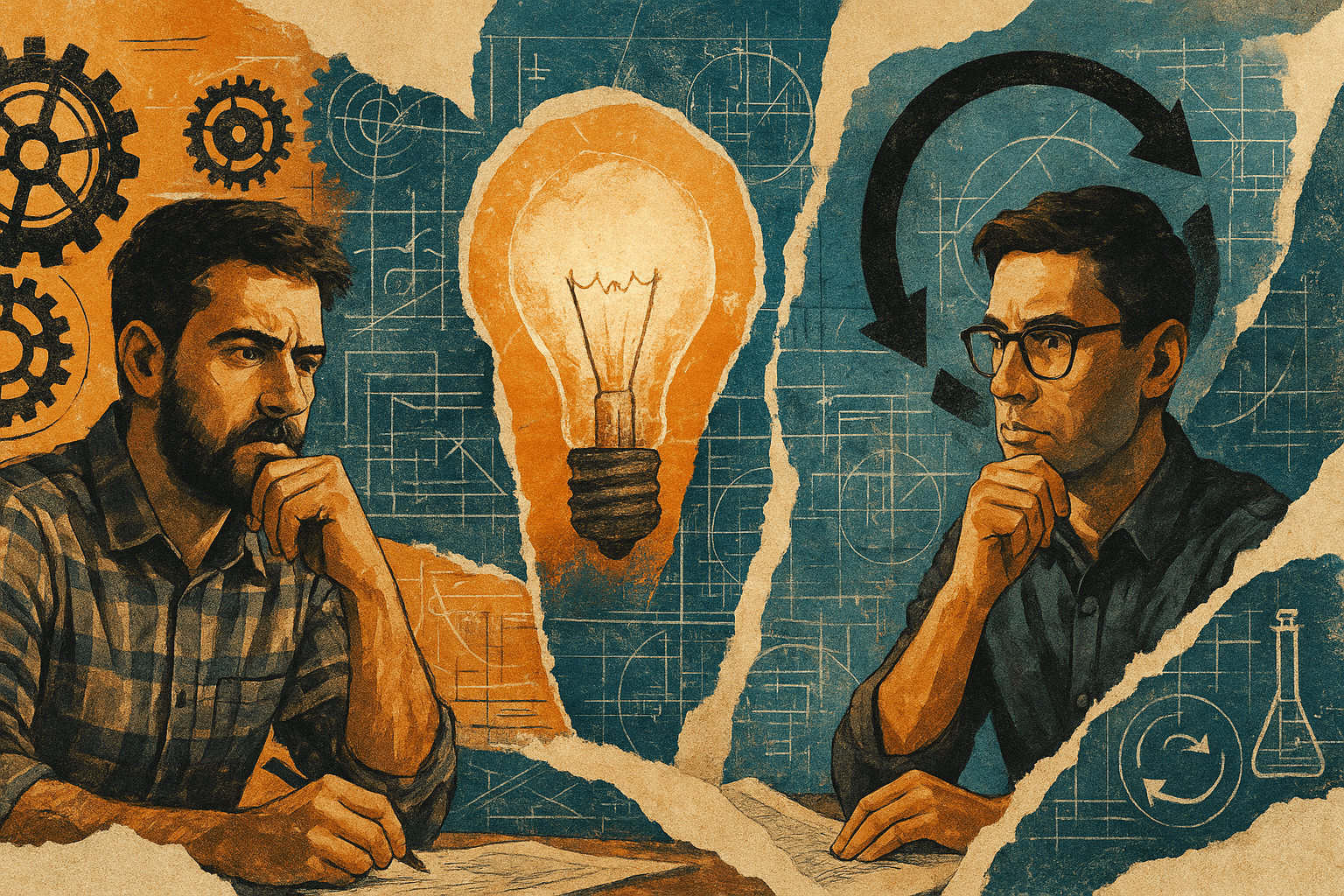
Integrating AI into startup engineering can feel like navigating a complex maze. AI offers immense opportunities for innovation but also presents unique challenges. As an IT project manager with a background in both technical operations and the U.S. Army, I've seen firsthand how AI can both complicate and simplify decision-making processes. Here, we'll explore the trade-offs engineers face when incorporating AI into development processes.

The Promise and Pitfalls of AI in Startups
AI can automate mundane tasks, provide data-driven insights, and enhance product offerings. But its integration isn't straightforward. Engineers must balance between leveraging AI's capabilities and managing its complexity and costs. For example, while AI can boost developer productivity, it may also introduce new technical debt if not implemented thoughtfully. As I discussed in Why Your IT Modernization Strategy Needs a 'Fail Fast' Philosophy, it's vital to iterate quickly and learn from failures without accruing unsustainable debt.
Automation vs. Human Oversight
One of the key trade-offs is deciding how much of the development process to automate. AI can handle repetitive tasks, freeing up human resources for more creative work. However, over-reliance on automation can lead to a lack of oversight and potential errors. It's a balance between efficiency and control. In my experience at Kaai Tech LLC, finding the right mix of automation and human involvement was crucial for maintaining quality while scaling operations.
Impact on Team Dynamics and Culture
Integrating AI affects not just the technical aspects of a startup but also its culture. Teams may need to adapt to new workflows and skill requirements. This shift can be challenging, as discussed in The Modern IT Leader's Balancing Act: Culture vs. Technology. It's essential to manage this change carefully to ensure that team morale and productivity remain high.
Skills and Training
AI's complexity means that team members might need additional training to effectively leverage these tools. This need for upskilling can impact project timelines and budgets. While AI can reduce workload, the initial investment in training can be significant. It's a trade-off between short-term disruption and long-term gains. At BuyItaly Mortgages LLC, I noticed that investing in training paid off by enhancing our team's ability to innovate and respond to market demands.
Cost vs. Benefit Analysis
AI can be costly to implement and maintain. Startups must weigh the benefits of AI-driven features against their cost. For many startups, this means carefully selecting which AI capabilities are essential and which can be deferred. I covered this dilemma in The Startup Engineer's Dilemma: Innovate or Iterate?, where I emphasized the importance of strategic decision-making in resource allocation.
Vendor Lock-in and Flexibility
The choice of AI technology can lead to vendor lock-in, limiting future flexibility. Startups must decide whether to invest in proprietary AI solutions or opt for open-source alternatives that offer more adaptability. This choice impacts both the startup's agility and potential for future growth. It's a classic trade-off between short-term convenience and long-term strategic flexibility.
Navigating Ethical and Privacy Concerns
AI introduces ethical and privacy challenges. Startups must ensure that their AI systems comply with regulations and respect user privacy. Balancing innovation with ethical considerations is critical. This balance is akin to navigating the tightrope between speed and quality in Navigating the Tightrope: Balancing Speed and Quality in Startup Engineering. It's crucial to develop AI systems that are both effective and responsible.
Transparency and Accountability
Transparency in AI operations is essential for building trust with users and stakeholders. Startups need to be clear about how their AI systems function and the data they use. This transparency can be a competitive advantage, but it requires careful planning and communication.
Final Thoughts: Embracing Trade-offs with Clarity
Navigating AI in startups is about making informed trade-offs. Engineers must weigh the benefits of AI against its complexities, costs, and ethical implications. By approaching these decisions with clarity and foresight, startups can harness AI's potential while avoiding its pitfalls. As I discussed in The IT Leader's Paradox: Embracing Change Without Losing Stability, maintaining stability while embracing innovation is key to long-term success.