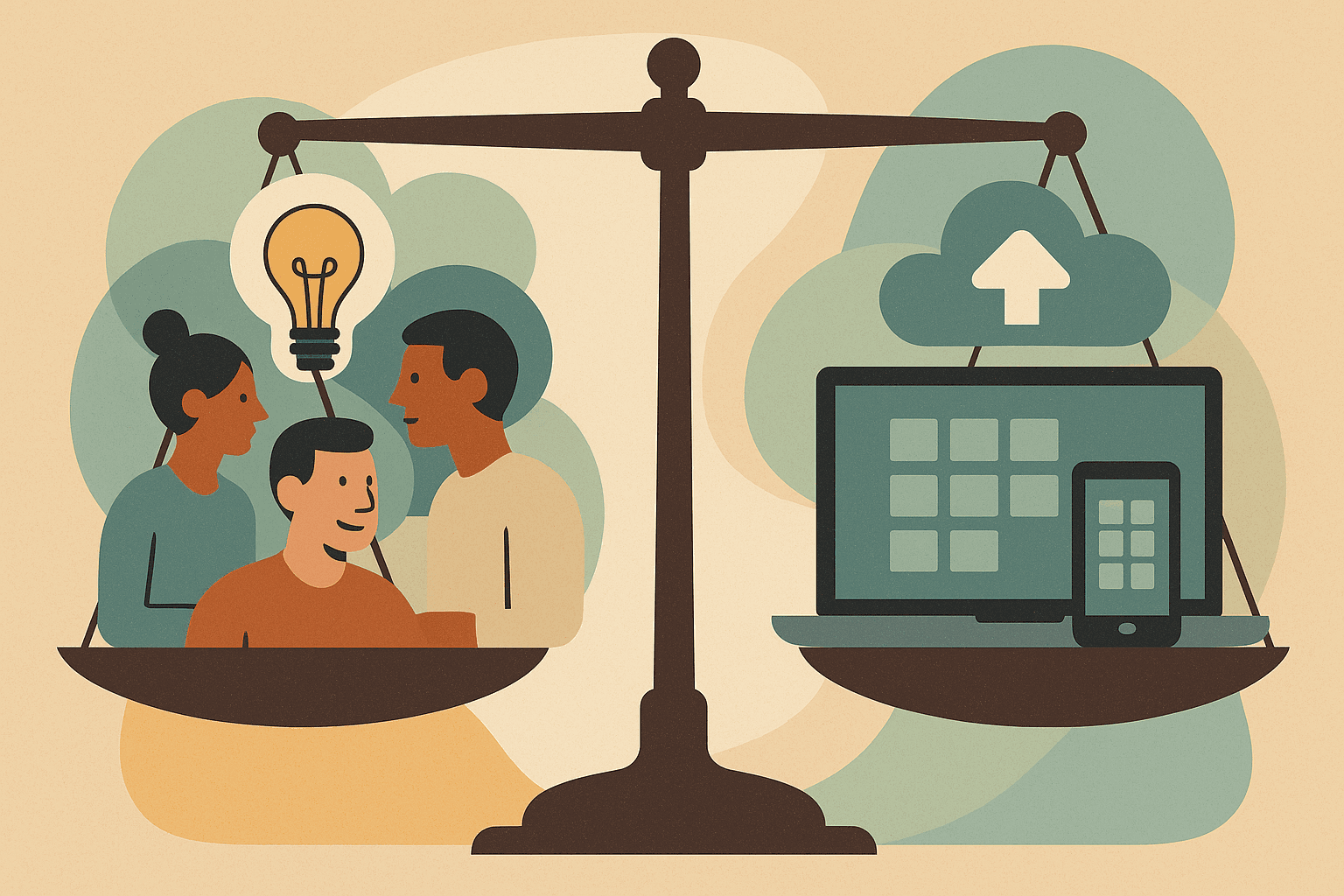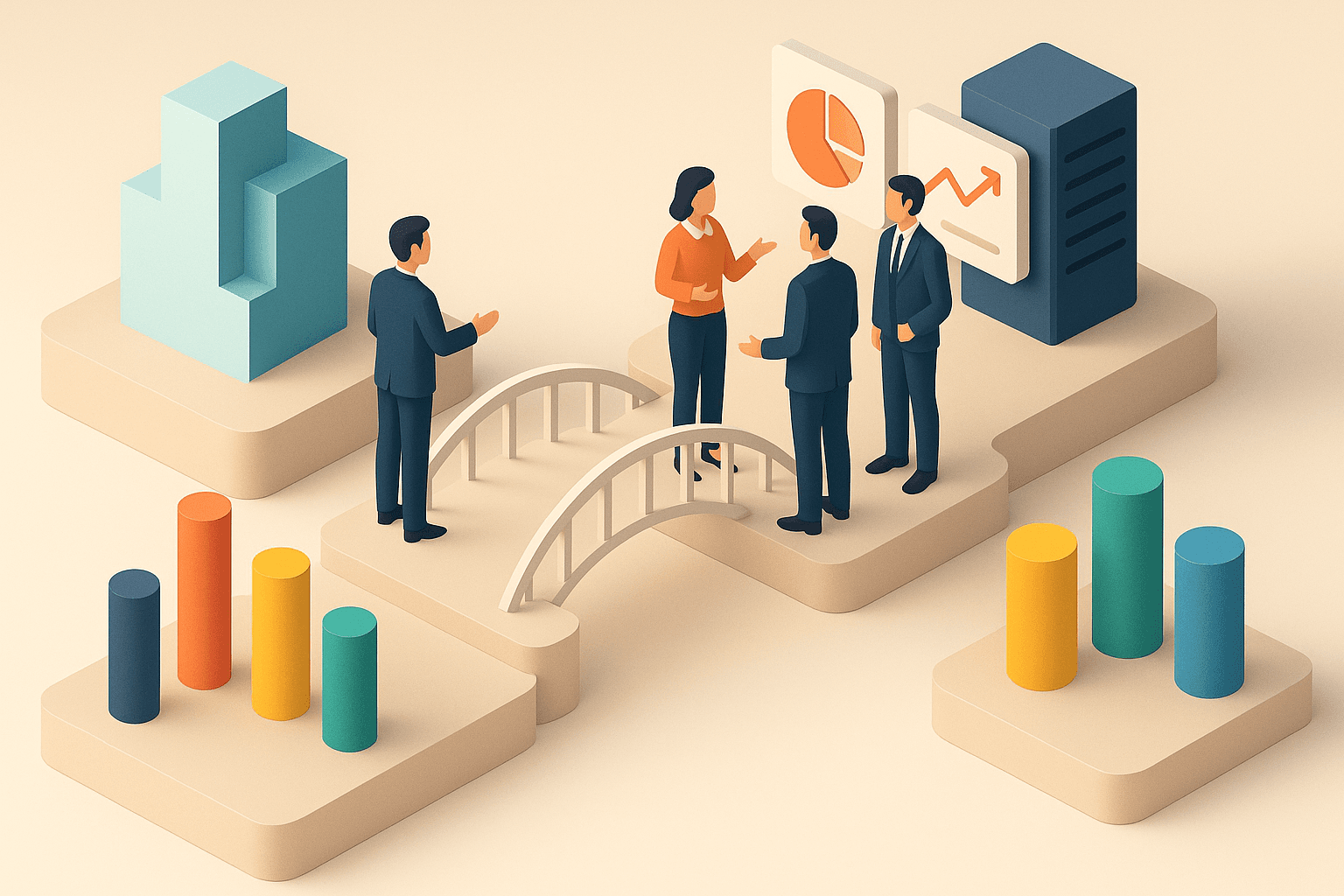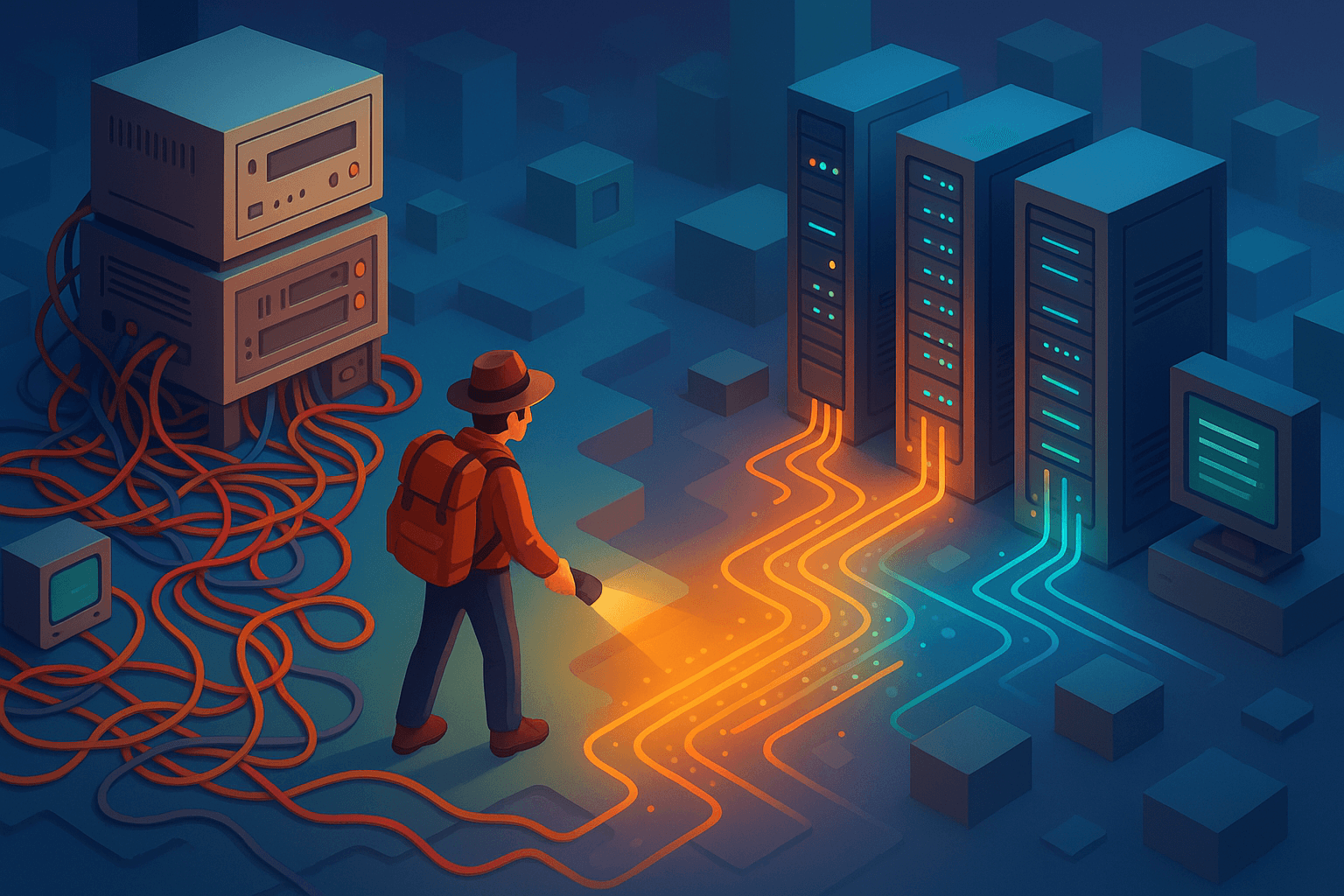
In the fast-paced world of technology, IT modernization is a critical component for organizations striving to stay competitive. While upgrading tools and technologies is crucial, the true driving force behind successful IT modernization is strong leadership. This article explores the pivotal role of IT leadership in modernization efforts and why tools alone are not enough to ensure success.

The Leadership Factor in IT Modernization
IT modernization involves more than just updating technology. It is about transforming the way an organization operates to improve efficiency, security, and user experience. This transformation requires a vision that can only be provided by effective leadership.
Vision and Strategy
A successful IT modernization effort starts with a clear vision and strategy. Leaders must articulate a vision that aligns with the organization's goals and clearly communicate it to all stakeholders. This vision should address not only the technical aspects but also how modernization will impact business processes and customer experiences.
According to Gov CIO Outlook, grounding IT modernization efforts in mission outcomes is essential. Leaders need to focus on how modernization can better serve customers, whether they are internal employees or the public.
Building the Right Team
Leadership plays a crucial role in assembling a team capable of executing the modernization strategy. This includes hiring new talent with the necessary skills and closing gaps in the existing workforce. As noted by Robert Half, hiring professionals with the right capabilities is critical, and addressing skills gaps is a major challenge for IT leaders today.
Encouraging a Culture of Innovation
IT leaders must foster a culture that encourages innovation and agility. This means creating an environment where team members feel empowered to experiment and take calculated risks. Leaders should also encourage collaboration across departments to ensure that modernization efforts are comprehensive and inclusive.
The Role of Tools in Modernization
While leadership is essential, tools and technology still play a significant role in modernization efforts. The challenge for leaders is to select the right tools that align with their strategic vision and contribute to the overall goals of the organization.
Balancing Legacy Systems and New Technologies
Many organizations struggle with the decision of how to integrate new technologies with existing legacy systems. Leaders must assess the value of legacy systems and determine whether they should be upgraded, replaced, or integrated with new solutions. As CIO highlights, outdated infrastructure can hinder innovation, making modernization a priority for CIOs.
Leveraging AI and Automation
AI and automation can significantly accelerate modernization efforts. However, their successful implementation requires strategic leadership to ensure they are used effectively. I explored this tradeoff in why IT leaders must embrace AI to drive modernization, where I discussed the potential of AI to enhance decision-making and streamline operations.
Ensuring Security and Compliance
Modernization often involves handling sensitive data, making security and compliance critical concerns. Leaders must prioritize these aspects by implementing robust security frameworks and ensuring compliance with relevant regulations. This requires a deep understanding of both technical and regulatory landscapes.
Challenges in IT Modernization
Despite the clear benefits, IT modernization presents several challenges that require strong leadership to navigate.
Resistance to Change
One of the biggest obstacles is resistance to change. Employees may be accustomed to existing systems and processes, making them hesitant to adopt new technologies. Leaders must address this by clearly communicating the benefits of modernization and providing adequate training and support.
Managing Complexity
Modernization efforts can introduce complexity, especially when integrating multiple systems and technologies. Leaders must manage this complexity by establishing clear governance structures and processes.
Looking Forward: The Future of IT Modernization
As technology continues to evolve, IT leaders must remain agile and forward-thinking. This involves continuously reassessing the organization's needs and adapting the modernization strategy accordingly.
The Importance of Continuous Learning
IT leaders must emphasize continuous learning and development to keep pace with technological advancements. This means investing in training and encouraging a mindset of lifelong learning among team members.
Embracing Change
Leaders must be prepared to embrace change and adapt quickly to new challenges and opportunities. This often involves reevaluating priorities and pivoting strategies to align with emerging trends and technologies.
I delved deeper into the importance of adaptability in why your SaaS product should be a living system, where I emphasized the need for flexibility in product development and management.
Final Thoughts
IT modernization is a complex and challenging endeavor that requires more than just upgrading tools and technologies. It demands strong leadership, a clear vision, and a strategic approach to managing change. By focusing on these elements, organizations can successfully navigate the modernization journey and achieve their desired outcomes.
Sources
- IT Leadership Strategies for Infrastructure Modernization - RealVNC
- Scaling IT Modernization Playbook: A Roadmap - Gov CIO Outlook
- Technology modernization strategy: How to build the right team in 2026 - Robert Half
- 6 strategies for accelerating IT modernization - CIO
- What is IT Modernization?: Definitions and Examples - Talend