In the fast-paced world of SaaS development, innovation isn't a one-time event. It's a continuous journey. Iterative innovation is crucial for developers who want to keep their products relevant and competitive. This approach allows teams to refine their offerings incrementally while staying true to their core vision. Let's explore how SaaS developers can harness the power of iterative innovation to maintain adaptability and drive steady progress.
Understanding Iterative Innovation
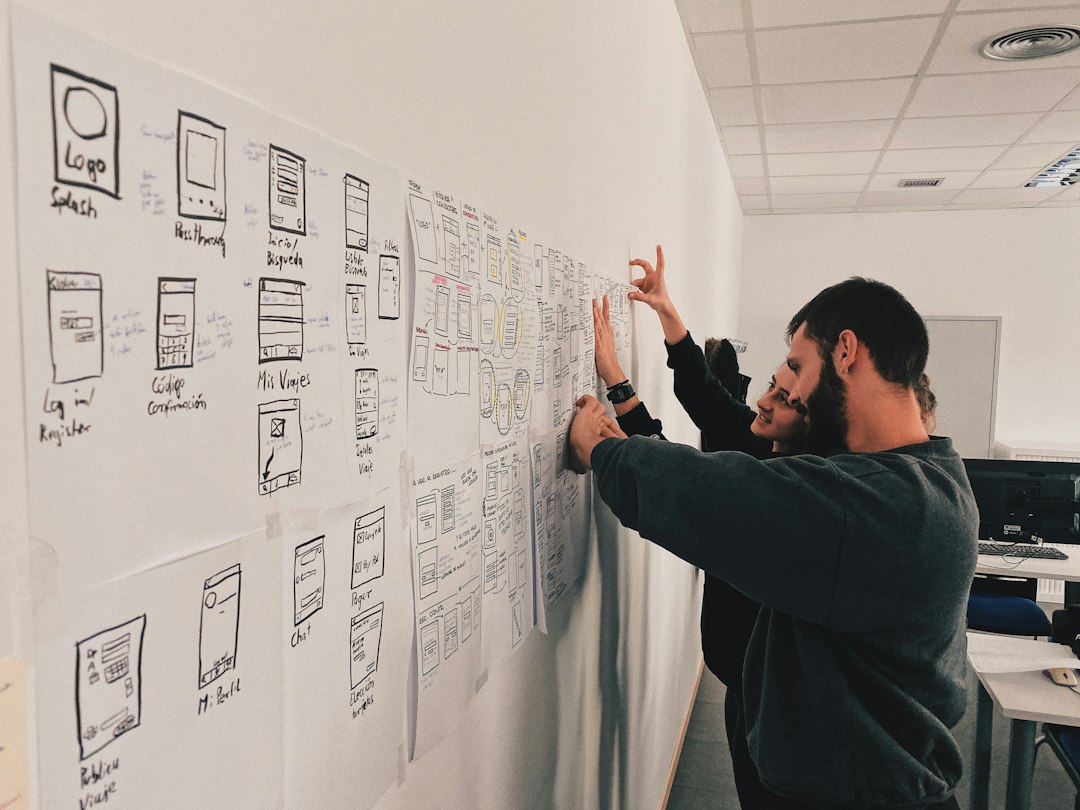
Iterative innovation involves making small, incremental changes to a product over time. This method contrasts with large-scale overhauls, which can be risky and disruptive. By adopting an iterative approach, SaaS developers can test new ideas, gather feedback, and make data-driven decisions to enhance their products continually.
Benefits of Iterative Innovation
- Reduced Risk: Smaller changes mean lower risk. Developers can test modifications in controlled environments and roll back if necessary.
- Faster Feedback Loops: Iterative processes allow for quicker user feedback, enabling teams to adjust features based on real-world usage.
- Continuous Improvement: Regular updates keep the product fresh and aligned with user needs without the need for massive redesigns.
This aligns well with the philosophy of embracing trade-offs in SaaS development, where balancing innovation and iteration is key.
Implementing Iterative Innovation in SaaS
To successfully implement iterative innovation, SaaS developers need a structured approach. Here are key steps to guide the process:
1. Define Clear Objectives
Before making changes, it's critical to have clear goals. What do you hope to achieve with this iteration? Are you addressing a specific user pain point or enhancing a feature? Clear objectives help prioritize efforts and measure success effectively.
2. Build a Feedback Loop
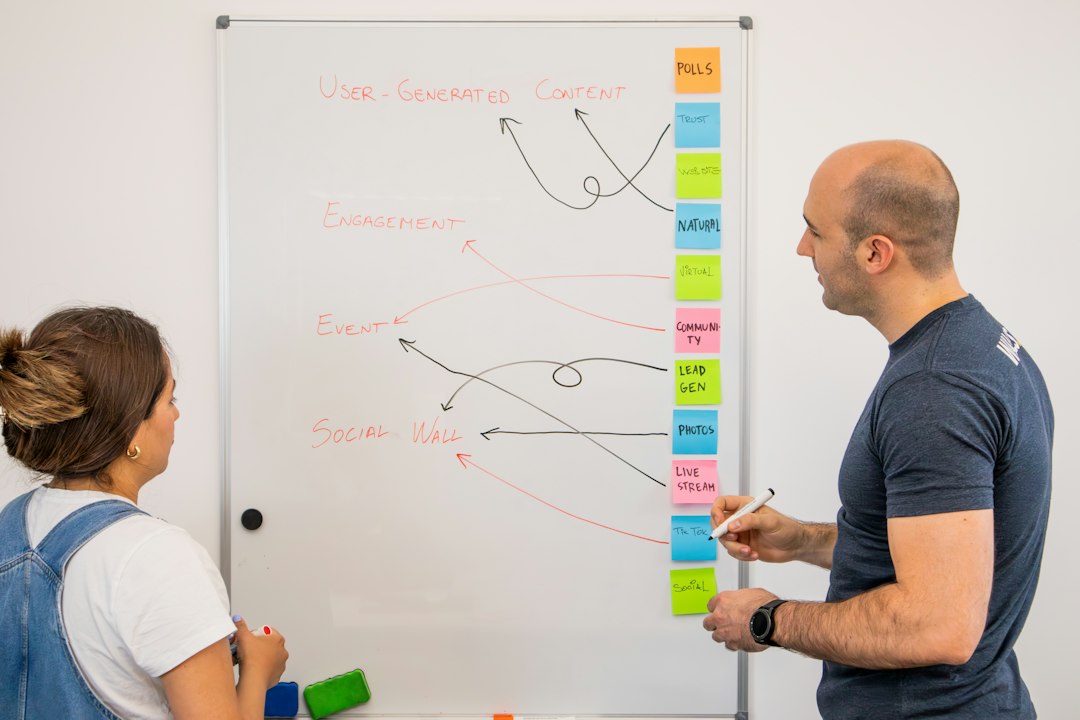
Feedback is the lifeline of iterative innovation. Engage with users through surveys, beta testing, and user interviews. Platforms like UserTesting and Qualaroo offer tools to gather valuable insights. Feedback helps identify what works and what doesn’t, guiding future iterations.
3. Prioritize Features Wisely
Not every feature suggestion fits the product vision. Developers must learn the art of saying no to maintain focus and avoid feature bloat. Prioritize changes that align with your core objectives and deliver the most value.
4. Use Agile Methodologies
Agile frameworks like Scrum or Kanban are perfect for managing iterative processes. They provide structure, facilitate collaboration, and ensure continuous delivery. Agile methodologies help keep teams aligned and responsive to change.
5. Monitor and Measure
Post-deployment, track metrics to assess the impact of each iteration. Tools like Google Analytics or Mixpanel can help monitor user engagement and retention. Measuring outcomes ensures that changes deliver the intended benefits.
Overcoming Challenges in Iterative Innovation
While iterative innovation offers many advantages, it also comes with challenges. Recognizing and addressing these can make the process smoother.
Handling Technical Debt
As products evolve, technical debt can accumulate. It's crucial to manage this debt to avoid long-term issues. Regularly refactoring code and updating documentation can mitigate this risk. This approach is detailed further in Why Technical Debt is Your Startup's Secret Weapon.
Balancing Speed and Quality
Rushing iterations can compromise quality. It's important to find a balance between speed and thoroughness. In Navigating the Tightrope: Balancing Speed and Quality in Startup Engineering, I delve into strategies for maintaining this balance.
Maintaining a Unified Vision
As teams grow and projects expand, keeping everyone aligned with the product vision is challenging. Regular communication and clear documentation are essential to ensure all team members are on the same page.
The Role of Leadership in Iterative Innovation
Leadership plays a crucial role in fostering a culture of iterative innovation. Leaders must empower teams to experiment, learn from failures, and celebrate successes. Encouraging a "fail fast" mindset, as discussed in Why Your IT Modernization Strategy Needs a 'Fail Fast' Philosophy, can enhance adaptability and resilience.
Encouraging a Culture of Innovation
- Empower Teams: Give teams the autonomy to make decisions and take ownership of their work.
- Promote Learning: Encourage continuous learning and skill development to stay ahead of industry trends.
- Foster Collaboration: Create an environment where cross-functional teams can collaborate and share insights freely.
Final Thoughts on Iterative Innovation
Iterative innovation is not just a strategy; it's a mindset. For SaaS developers, it offers a path to continuous improvement and sustained success. By focusing on small, manageable changes, developers can create products that evolve with user needs and market demands. This approach not only reduces risk but also enhances the user experience and fosters long-term growth.